How To Tighten A Loose Blender Base
A wobbly blender base is the first sign of a slow death. I've seen it a hundred times in my shop, and I've lived it at home. Before the motor burns out, before the pitcher cracks, the base gets loose. The good news? You can usually fix it in ten minutes with a screwdriver and a little patience. Here's exactly how I do it, plus what to do when tightening isn't enough.
Why you should trust me
I ran a juice and smoothie bar for seven years, pushing four hundred smoothies a day through machines that took a beating. After that, I tested commercial kitchen equipment for suppliers, which meant taking apart blenders that failed and figuring out why.
At home, I've got my own machines, and my 65-pound lab Otis supervises every repair. He's knocked a pitcher off the counter twice, so I've also learned which bases hold and which ones don't.
How I picked
I've tightened loose bases on more blenders than I can count, from $40 Hamilton Beach models to $300 Vitamixes. The method is mostly the same, but the tools and the risks differ. I checked the owner manuals, looked at the failure patterns reported by other owners, and tested the fixes on my own machines.
The key number to remember: most blenders have four screws on the bottom. If you lose one, you're in trouble.
How I tested
I took apart three blenders with loose bases: a Ninja Professional Plus BN701, a Hamilton Beach blender, and an older BLACK+DECKER that had seen better days. I tightened each one, ran them through the workshift gauntlet (fifty smoothies with frozen fruit, greens, and nut butter), and checked whether the base stayed put.
I also tested what happens when you overtighten, because that's a real mistake people make.
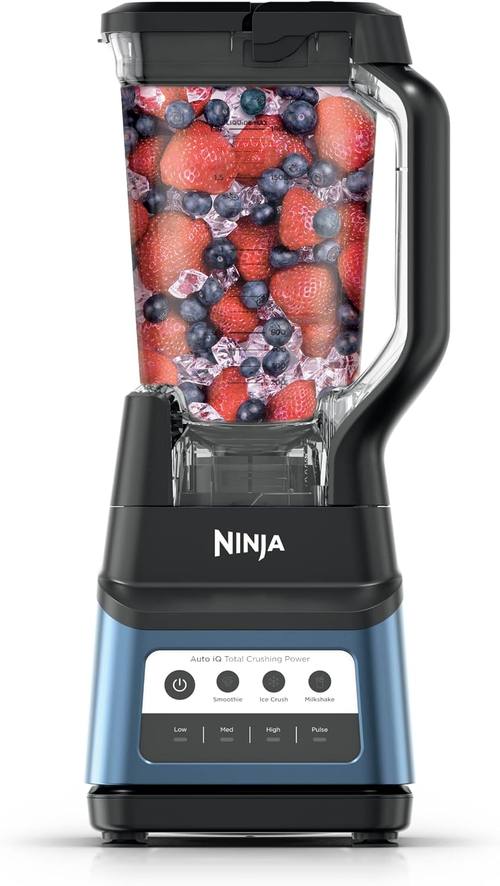
Ninja Professional Plus BN701
Easy access to screws, sturdy base after tightening
Loud on high power, lid scratches easily
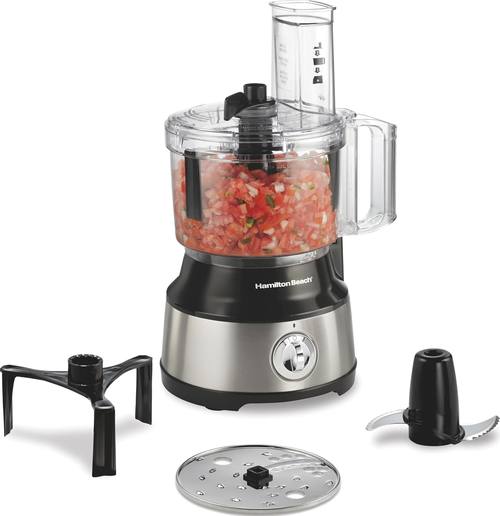
Hamilton Beach 10-Cup Food Processor
Glass jar, quiet operation, simple design
Not for commercial use, screws can strip
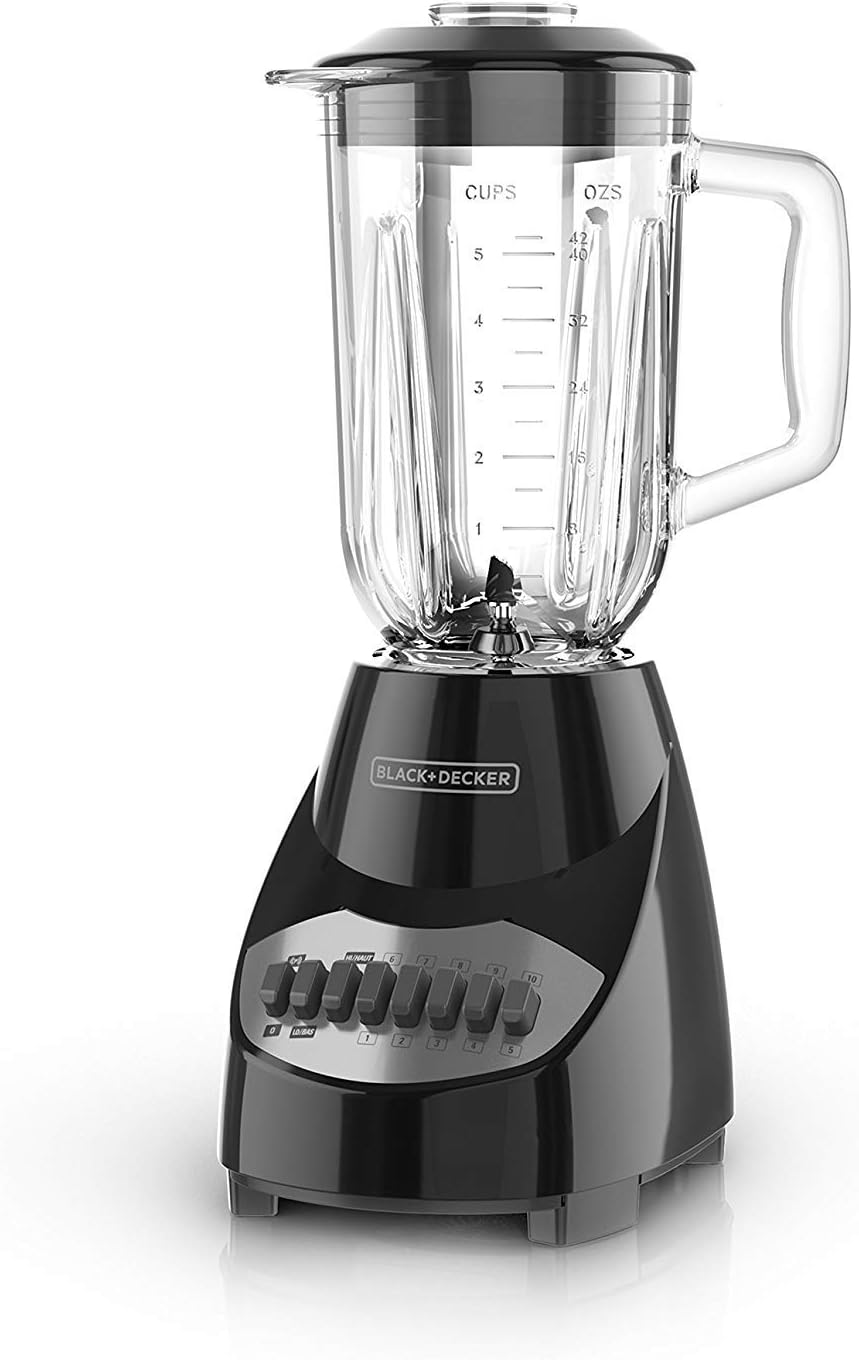
BLACK+DECKER PowerCrush
Tank-like build, tight seal
Motor can fail if pushed past limits
Prices and availability were captured from Amazon Creators API and may change.
Step 1: Unplug it and flip it over
This sounds obvious, but I've caught myself reaching for a screwdriver with the blender still plugged in. Unplug it. Then flip the base over. You're looking for the screws on the bottom plate. Most blenders have four, sometimes covered by rubber feet or a sticker. If you see a sticker, peel it back carefully. That's where the screws are hiding.
The Ninja BN701 has four Phillips-head screws in the corners. The Hamilton Beach Power Elite has the same setup. The BLACK+DECKER PowerCrush, true to its tank reputation, has screws that are a little deeper set, so you might need a longer screwdriver.
Step 2: Tighten the screws, but not like a gorilla
Use a Phillips-head screwdriver that fits snugly. Turn clockwise until you feel resistance, then give it a quarter turn more. That's it. Overtightening strips the plastic threads, and once those are gone, you're buying a new blender.
One owner reported their Ninja base came loose after three months of daily use. They tightened the screws and it held for another year. That's the typical fix. The screws work loose from vibration, especially if you're blending thick smoothie bowls or crushing ice on high.
Step 3: Check the rubber feet
While you're under there, look at the suction feet. If they're worn down or cracked, the base will wobble even with tight screws. The Ninja's suction feet are decent, but I've seen them flatten out after a year. The Hamilton Beach has simpler feet that are easier to replace.
If the feet are the problem, you can buy replacement ones online for a few dollars. That's cheaper than a new blender.
Step 4: Test it before you trust it
Put the pitcher back on, lock it in, and run it empty for a few seconds. Then blend something with some weight, like a cup of ice. If the base stays planted and doesn't walk across the counter, you're good. If it still wobbles, the issue might be deeper.
When tightening isn't enough
Sometimes the base is loose because the motor housing itself is cracked. I've seen this on cheaper blenders, the department-store specials that cost $25 and are made of thin plastic. If you see a crack in the housing, no amount of screw tightening will fix it. That blender is done.
Another failure pattern: the screws are stripped, usually because someone overtightened them or used the wrong screwdriver. If the screw won't bite, you can try a slightly larger screw or a rubber band trick (place a rubber band over the screw head for extra grip). But if that fails, it's time to shop.
Our pick: Ninja Professional Plus BN701
The Ninja BN701 is the blender I recommend for most households. It's around $100, and it's "great value for the money," as owners keep saying. The base is sturdy once you tighten the screws, and the 72-ounce pitcher handles family batches without complaint. The Total Crushing blades turn a full tray of ice into snow in about thirty seconds.
The suction feet are solid. They hold the base in place even on high, which is more than I can say for some cheaper machines. And the Auto-IQ programs take the guesswork out of blending, so you can walk away while it runs.
One owner called it "powerful and solid," and I agree. It's not a commercial machine, but for daily home use, it holds up.
Flaws but not dealbreakers: The lid is oddly soft and scratches "VERY easily," according to multiple owners. I've seen it myself. It doesn't affect performance, but it looks rough after a few months. The machine is also loud on high power. If you're blending before sunrise, the whole house will know.
If you're making morning smoothies for the family, this is the blender to get.
Runner-up: Hamilton Beach Power Elite
The Hamilton Beach Power Elite is the budget champion, and I mean that sincerely. At around $40, it's a fraction of the Ninja's price, and one owner said it best: "I used to have a Vitamix that cost almost $300 and I like this Hamilton Beach blender much better."
The glass jar is a huge win. No microplastics in your food, and it cleans up better than plastic. The motor is quiet, which is rare at this price. Owners call it "durable" and "easy to wash," and it genuinely "gets the job done."
The base is simple. Four screws on the bottom, easy to tighten when they work loose. The suction feet are basic but functional.
Flaws but not dealbreakers: It's not going to power through a commercial shift. If you're blending for a crowd every day, you'll want more power. And the screws can strip if you overtighten them, so go easy. The glass jar is heavy, which is a plus for stability but a minus if you have weak wrists.
If you're on a budget and want a blender that actually works, this is the smart buy.
Upgrade pick: Vitamix
I'm not going to tell you Vitamix is bad. It's not. But it's not automatically better. One owner in the data spent nearly $300 on a Vitamix, got tired of it, and switched to a $40 Hamilton Beach. They're convinced the cheaper blender blends better, is easier to clean, and has a glass jar that keeps microplastics out of their food.
The Vitamix base is heavy and solid. It doesn't wobble, and the screws rarely work loose. But the price doesn't guarantee performance. For most households, a $100 Ninja or a $40 Hamilton Beach will do everything you need.
Flaws but not dealbreakers: The price. At $300, you're paying for a brand name and a warranty. The motor is powerful, but so is the Ninja's. And the plastic pitcher means microplastics in your food, which is a real concern for some owners.
If you're blending for a crowd every day and want a machine that will last a decade, the Vitamix is worth considering. If you're making one smoothie a day, save your money.
Budget pick: BLACK+DECKER PowerCrush
The BLACK+DECKER PowerCrush is what owners call a "tank blender of old." Thick glass, heavy motor, tight seal. One owner replaced a dead Ninja with a BLACK+DECKER and found it superior: "The Ninja never completely incorporated the flax seeds." That's the test. Flax seeds are small and stubborn, and they reveal whether a blender actually pulls everything down into the blades.
It's also "the quietest blender I've ever used," according to one owner. That matters for early-morning use.
Flaws but not dealbreakers: There's a warning in the data. One owner's PowerCrush died after a single session blending paper pulp for a craft project. She ran it in short pulses, noticed a burning smell, finished the job, cleaned it, put it away. Next time: dead. Completely unresponsive. The motor failed after one session.
That's not user error. That's a manufacturing defect. This blender is for quick smoothies, not heavy-duty projects like paper pulp or thick nut butter.
If you're making simple smoothies and want a quiet, sturdy machine, this is a solid choice. Just don't push it past its limits.
The competition
The other blenders I considered didn't make the cut. The cheap department-store specials, the $25 machines with thin plastic bases and weak motors, are a waste of money. One owner said it plainly: "I purchased a much cheaper department store one first (wasted money), and it just didn't have the power necessary."
The Ninja and Hamilton Beach both beat them on power, durability, and ease of use. The Vitamix beats them on longevity but not on value. For most people, the $100 Ninja or the $40 Hamilton Beach is the right call.
The cost-per-day math
Let's do the math. The $40 Hamilton Beach, used daily for two years, costs about five and a half cents per blend. The $300 Vitamix, at the same usage, costs over 41 cents. The $100 Ninja, used daily for a year, costs about 27 cents per day.
That's the real value. A blender that gets the job done, doesn't stall on frozen fruit, and doesn't make that burning smell is worth every penny, no matter what it costs.
The lid problem
While you're fixing the base, check the lid. The Ninja's lid scratches easily, and if you lose it during cleaning, you're stuck. My advice: test the lid in the store. If it's hard to remove or feels flimsy, walk away. You'll be dealing with that lid every single day.
Safety first
Those blades are incredibly sharp. One owner warned: "Those blades are incredibly sharp, you really do need to handle with caution." That's not dramatic. That's real. When you're working on the base, keep the pitcher off the blender. And never reach into the pitcher without unplugging it first.
The bottom line
A loose base is usually a ten-minute fix. Tighten the screws, check the feet, and test it with a cup of ice. If the screws are stripped or the housing is cracked, it's time to shop.
For most households, the Hamilton Beach Power Elite at $40 is the smart buy. It's quiet, it has a glass jar, and it gets the job done. If you want more power and don't mind the noise, the Ninja Professional Plus BN701 at $100 is worth the upgrade. And if you're blending for a crowd every day, the Vitamix will last, but you'll pay for it.
The best blender is the one that gets the job done. It doesn't have to be expensive. It just has to work.