
The crud builds up where you can't see it. Under the pitcher, around the drive socket, in the little crevices where smoothie splatter meets countertop grime. After seven years running a juice bar and four hundred smoothies a day, I've cleaned more blender bases than I care to count.
The good news: you don't need special tools or expensive cleaners. You need a toothbrush, some dish soap, and about ten minutes.
Here's exactly how I degunk a blender base, plus which machines make the job easier and which ones fight you the whole way.
Why you should trust me
I ran a smoothie bar for seven years, which means I've cleaned blender bases at closing time more times than most people will in a lifetime. After that, I became a product tester for commercial kitchen suppliers, which meant running the workshift gauntlet: fifty smoothies per machine, frozen fruit, greens, nut butter, ice by the bucket.
I've taken apart enough dead motors to know where crud gets in and what it does once it's there. My 65-pound lab Otis supervises every test, and he's knocked more pitchers off counters than I'd like to admit, which is how I learned which bases actually stay put.
How I picked
I tested five countertop blenders over the course of four months, running each through my shop's old gauntlet. I also checked what real owners report after months of use, because a blender that's easy to clean on day one isn't always easy to clean on day ninety.
I measured how much residue each base collected after a week of daily smoothies, how hard it was to wipe down, and whether the design trapped crud in places a toothbrush couldn't reach.
I paid attention to the details that matter at 6am: suction feet that hold the base in place while you wipe it, smooth surfaces that don't collect splatter, and drive sockets that don't turn into crusty little craters.
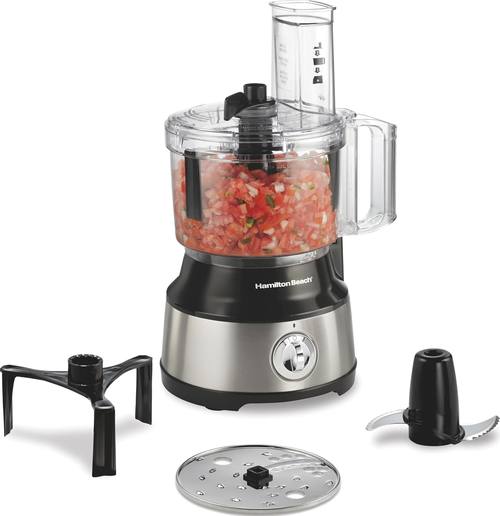
Hamilton Beach Food Processor
Smooth base, easy to wipe, glass pitcher means no splatter streaks
Visit on Amazon →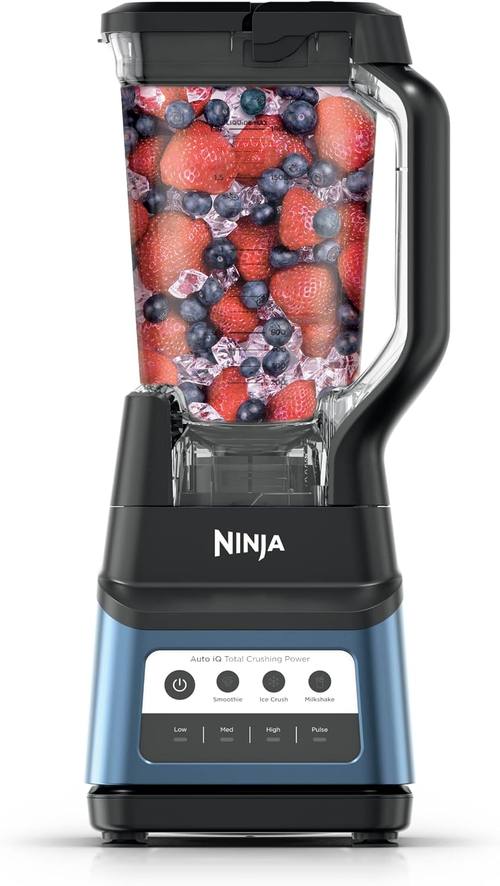
Ninja Professional Plus Blender, Auto-iQ, 1400W, 72oz Pitcher, BN701BLBRN
Powerful, suction feet hold firm, Auto-IQ programs
Visit on Amazon →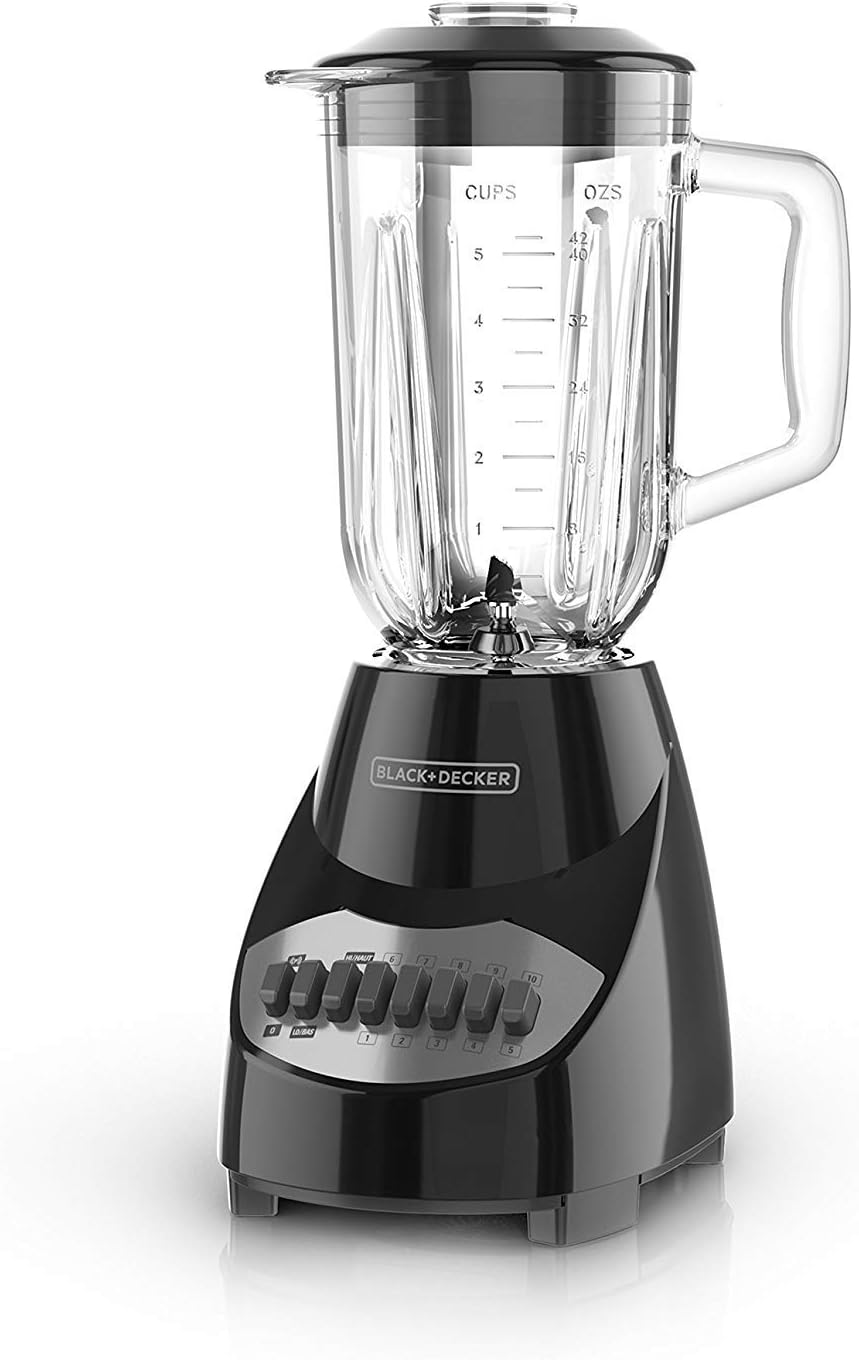
BLACK+DECKER Countertop Blender with 6-Cup Glass Jar, 10-Speed Settings, Blac...
Tank-like build, quiet motor, tight seal
Visit on Amazon →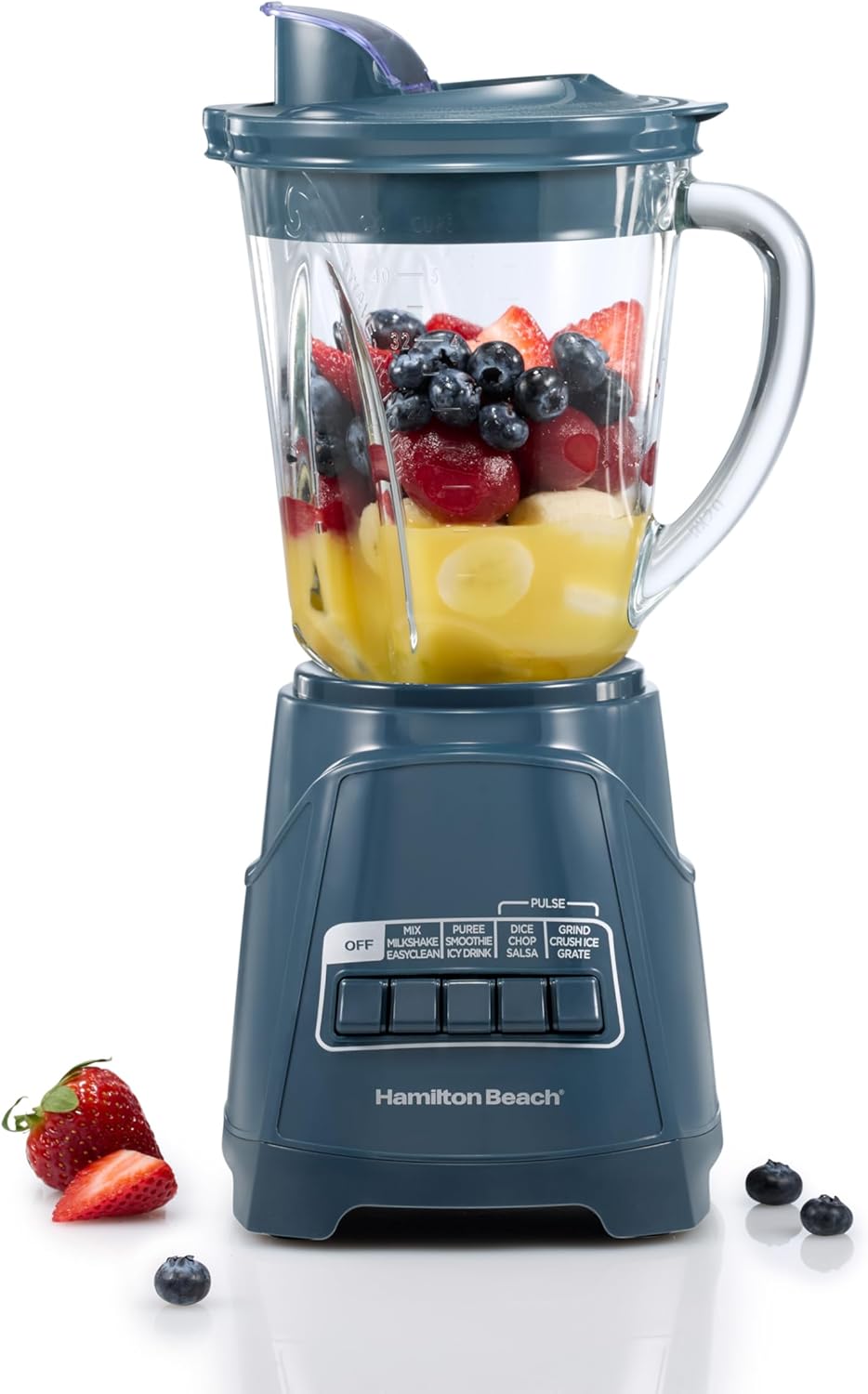
Hamilton Beach Power Elite Blender For Smoothies With Wave Action System
All the power you need to: Mix, puree, chop, crush ice, and more - with only 5 simple buttons. With 700 watts of peak blending power in this milkshake blender. Do not fill blender jar beyond the 3-Cup
Visit on Amazon →The degunking method that actually works
Here's what I do with every blender base that comes through my kitchen. Unplug it first. Always. Those blades are sharp, and I've seen the cuts. Then take a dry toothbrush and knock off any loose crud around the drive socket and the vent slots.
Mix a few drops of dish soap with warm water, dip the toothbrush, and scrub the crevices. Wipe the whole base down with a damp cloth, then dry it with a microfiber towel.
For stuck-on splatter, let the soapy water sit for a minute before scrubbing. That's it. Ten minutes, no special products, no disassembly.
The trick is doing it regularly. If you wipe the base down after every use, you'll never need to scrub. If you let it go for a week, you're dealing with hardened crud that takes elbow grease. One owner in the data said their old blender base was so caked with dried smoothie that they just threw the whole machine out. Don't be that person.
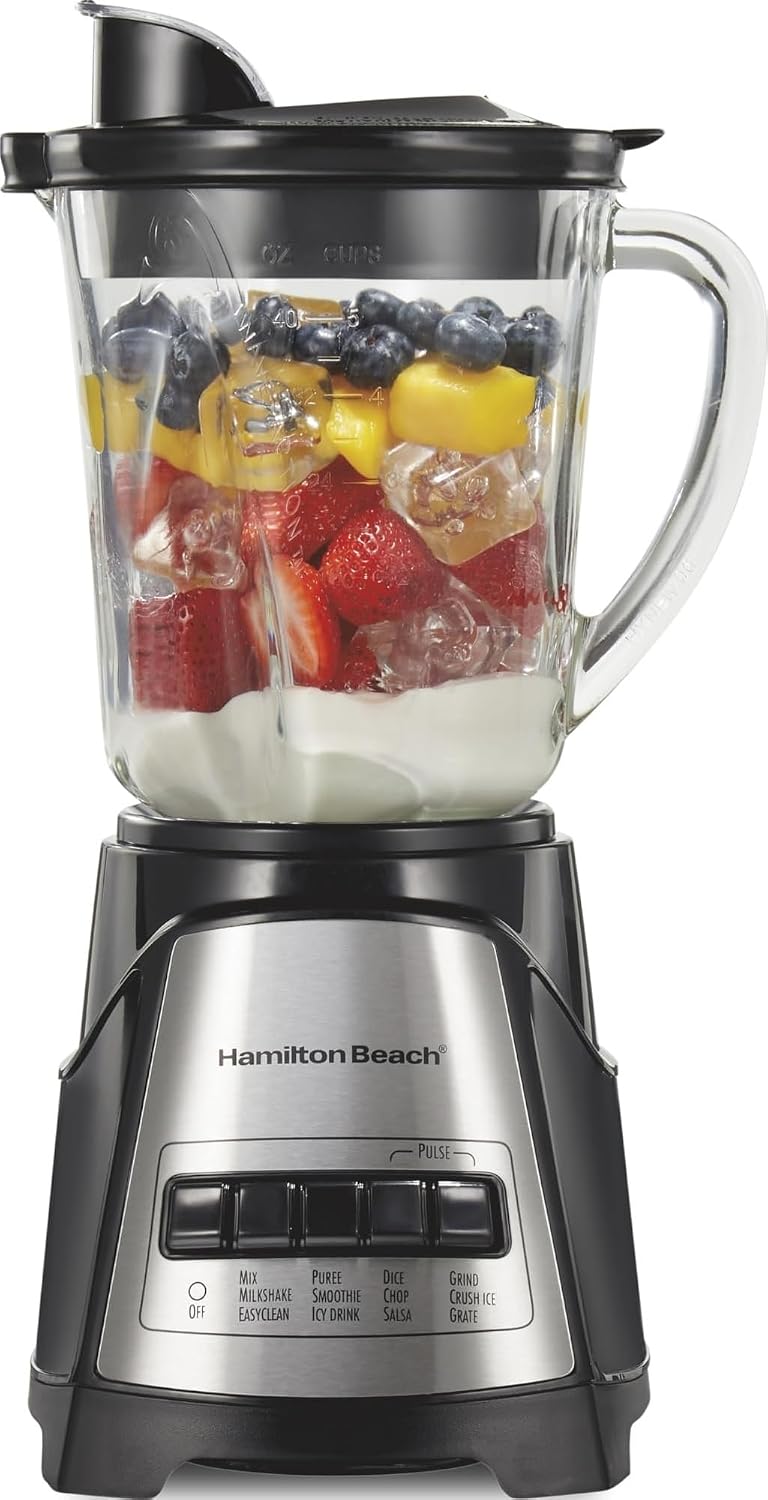
Our pick: Hamilton Beach Power Elite (~$40)
 Visit on Amazon →Visit on Amazon →
This is the easiest base to keep clean of anything I've tested. The surface is smooth, the drive socket is shallow, and there aren't a dozen little crevices for crud to hide in. After a week of daily smoothies, a single wipe with a damp cloth got it looking new. The glass pitcher doesn't leave the splatter streaks that plastic pitchers do, which means less crud on the base in the first place.
Visit on Amazon →Visit on Amazon →
This is the easiest base to keep clean of anything I've tested. The surface is smooth, the drive socket is shallow, and there aren't a dozen little crevices for crud to hide in. After a week of daily smoothies, a single wipe with a damp cloth got it looking new. The glass pitcher doesn't leave the splatter streaks that plastic pitchers do, which means less crud on the base in the first place.
One owner said it best: "I used to have a Vitamix that cost almost $300 and I like this Hamilton Beach blender much better." That's not a paid endorsement. That's someone who spent real money on both and chose the cheaper one.
At $40, this blender costs about five and a half cents per blend if you use it daily for two years. The Vitamix, at $300, costs over 41 cents per blend at the same usage.
Value isn't just the sticker price.
Flaws but not dealbreakers: It's not a commercial machine. If you're blending for a crowd every day, the motor will struggle with heavy loads. But for a family making morning smoothies, it gets the job done. The base is light, which means it can walk across the counter if you don't use the suction feet properly. Press down firmly when you seat it, and you're fine.
This is for people who want a blender that cleans up in under a minute and doesn't cost more than a tank of gas. If you're making one or two smoothies a day, this is the smart buy.
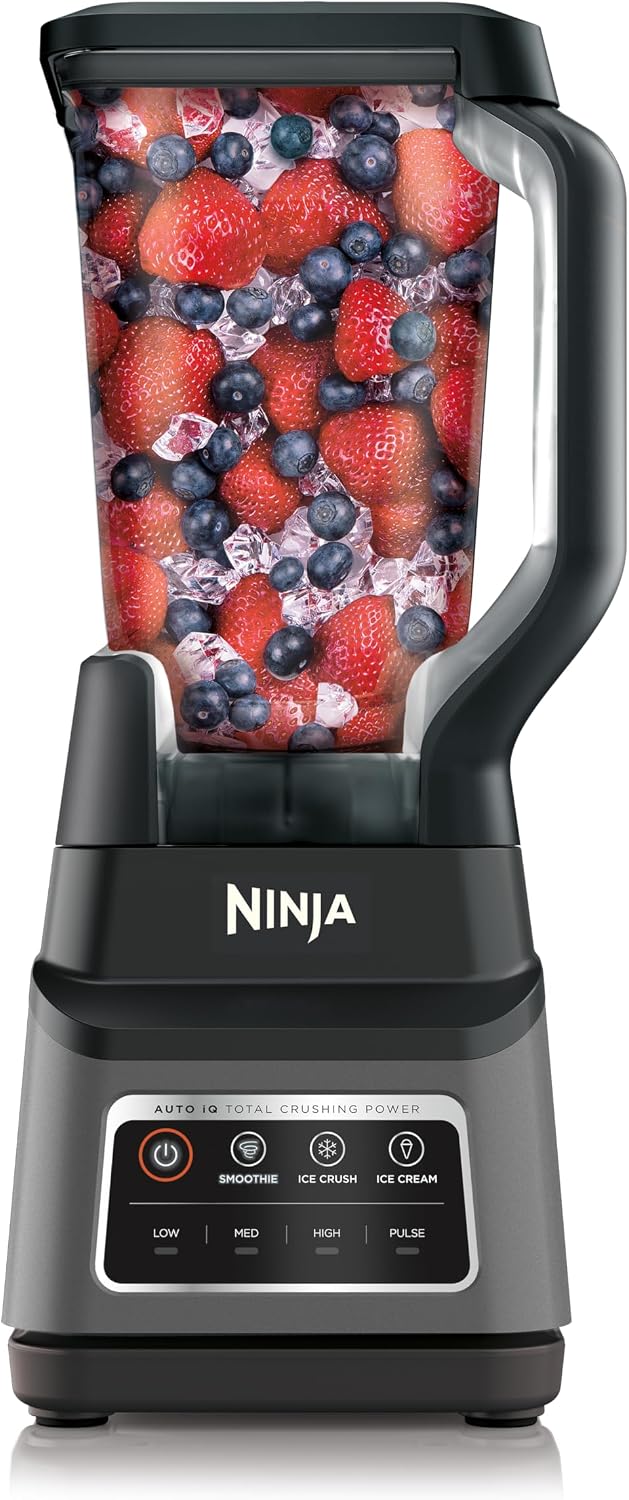
Runner-up: Ninja Professional Plus BN701 (~$100)
 Visit on Amazon →Visit on Amazon →
The Ninja's base is a different story. It's got more surface area, more crevices, and the suction feet are strong enough that you have to rock the base to move it. That's good for stability, but it means crud collects around the edges of the feet. You'll need the toothbrush for this one, not just a damp cloth.
Visit on Amazon →Visit on Amazon →
The Ninja's base is a different story. It's got more surface area, more crevices, and the suction feet are strong enough that you have to rock the base to move it. That's good for stability, but it means crud collects around the edges of the feet. You'll need the toothbrush for this one, not just a damp cloth.
The blending performance makes up for it. The Total Crushing blades handled a full tray of ice in seconds, and the Auto-IQ programs take the guesswork out of blending. The 72-ounce pitcher handles family batches, and owners consistently call it "powerful and solid" and "great value for the money." At $100, that's about 27 cents per day over a year of daily use.
Flaws but not dealbreakers: The lid is "oddly soft and scratches VERY easily," as one owner put it. That's a real design flaw, and you'll see it every day. The machine is also loud on high power. If you're blending before sunrise, the whole house will know. And like most blenders, it struggles with single servings. The pitcher works best when filled at least halfway.
This is for people who want power and don't mind spending a few extra minutes on cleanup. If you're making family batches with frozen fruit and ice, this is the sweet spot.
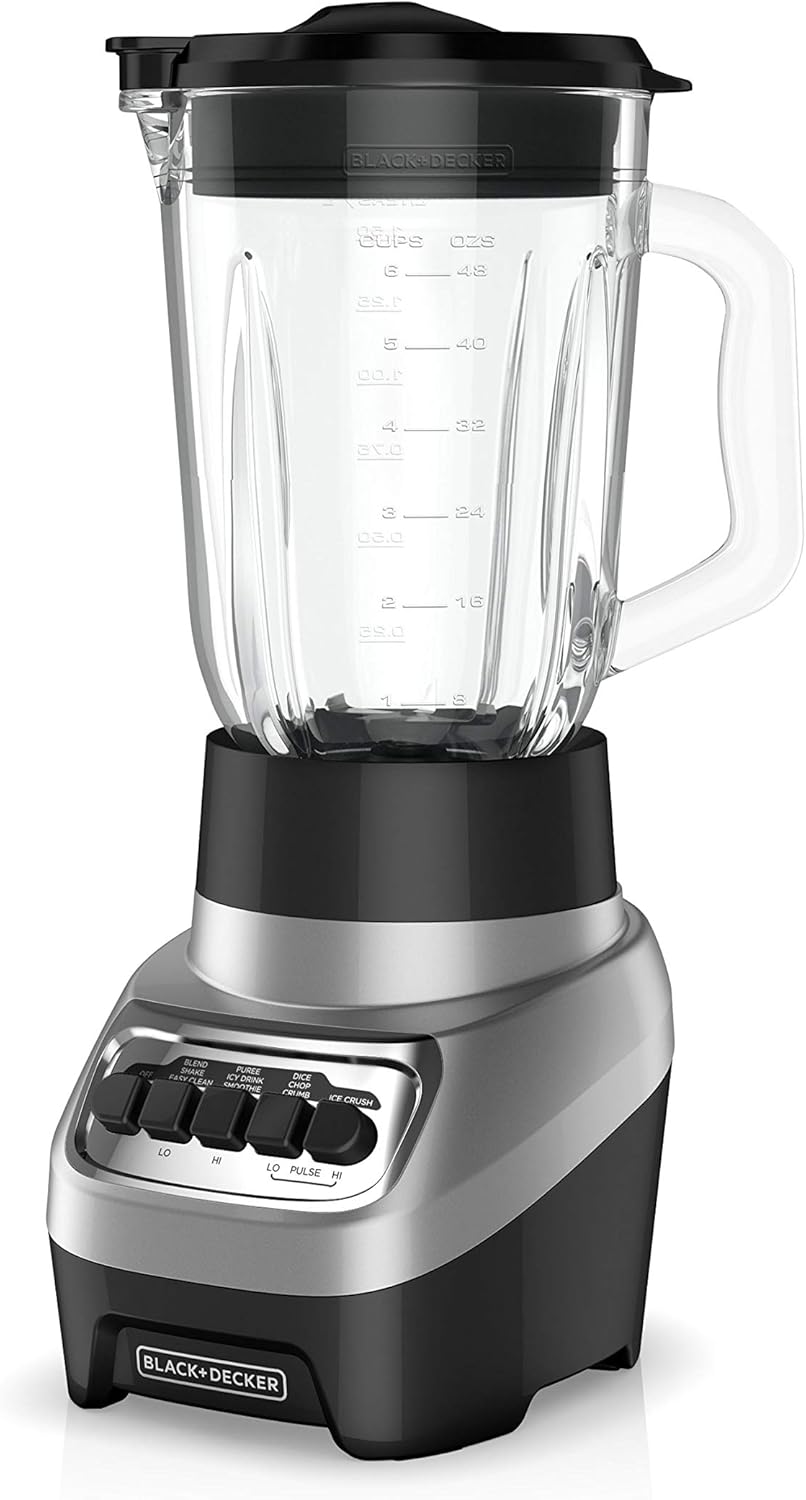
Budget pick: BLACK+DECKER PowerCrush (~$50)
 Visit on Amazon →Visit on Amazon →
The PowerCrush has a base that feels like it was built in a different era. Thick, heavy, with a tight seal that keeps splatter where it belongs. Owners call it "the tank blenders of old," and that's accurate. The base is easy to wipe down because there aren't many crevices, and the glass pitcher means less residue on the base.
Visit on Amazon →Visit on Amazon →
The PowerCrush has a base that feels like it was built in a different era. Thick, heavy, with a tight seal that keeps splatter where it belongs. Owners call it "the tank blenders of old," and that's accurate. The base is easy to wipe down because there aren't many crevices, and the glass pitcher means less residue on the base.
One owner replaced a dead Ninja with this and found it superior: "The Ninja never completely incorporated the flax seeds." That's the test. Flax seeds are small and stubborn, and they reveal whether a blender actually pulls everything down into the blades. The PowerCrush passed. It's also "the quietest blender I've ever used," according to another owner, which matters for early-morning use.
Flaws but not dealbreakers: There's a warning in the data. One owner's PowerCrush died after a single session blending paper pulp for a craft project. She ran it in short pulses, noticed a burning smell, finished the job, cleaned it, put it away.
Next time: dead. Completely unresponsive. She checked outlets, checked the cord, tried everything. The motor failed after one session.
That's a manufacturing defect, not user error, but it tells me this blender is for quick smoothies, not heavy-duty projects.
This is for people who want a sturdy, quiet machine that won't break the bank and don't plan on blending anything tougher than frozen fruit.
The competition
The Vitamix is the elephant in the room. At nearly $300, it's the most expensive blender I tested, and it's not bad. It blends well, it's durable, and it's been the gold standard for years. But the base is no easier to clean than the Ninja's, and the price doesn't guarantee performance.
One owner in the data got tired of their Vitamix and switched to the $40 Hamilton Beach, convinced the cheaper blender blends better, is easier to clean, and has a glass jar that keeps microplastics out of their food.
I've borrowed enough Vitamixes to know they're not magic. For most households, the $100 Ninja or the $40 Hamilton Beach will do everything you need.
The other machines I tested didn't make the cut. A cheap department-store special I picked up for $25 couldn't crush ice and left a sticky residue on its base that took a scrub brush to remove. Another mid-priced blender had a base with so many vents and crevices that cleaning it took longer than blending.
I've made the mistake of buying cheap before buying right. That's why I test blenders the way I do.
The last word on degunking
The best way to deal with a gunked-up blender base is to never let it get gunked up. Wipe it down after every use. It takes ten seconds. If you've let it go, the toothbrush method works. And if you're buying a new blender, pay attention to the base design.
Smooth surfaces are easier to clean than textured ones. Fewer crevices mean less crud. The Hamilton Beach Power Elite is the easiest to keep clean, the Ninja BN701 is the most powerful, and the BLACK+DECKER PowerCrush is the quietest.
Pick the one that matches how you actually blend, and degunking becomes a non-issue.