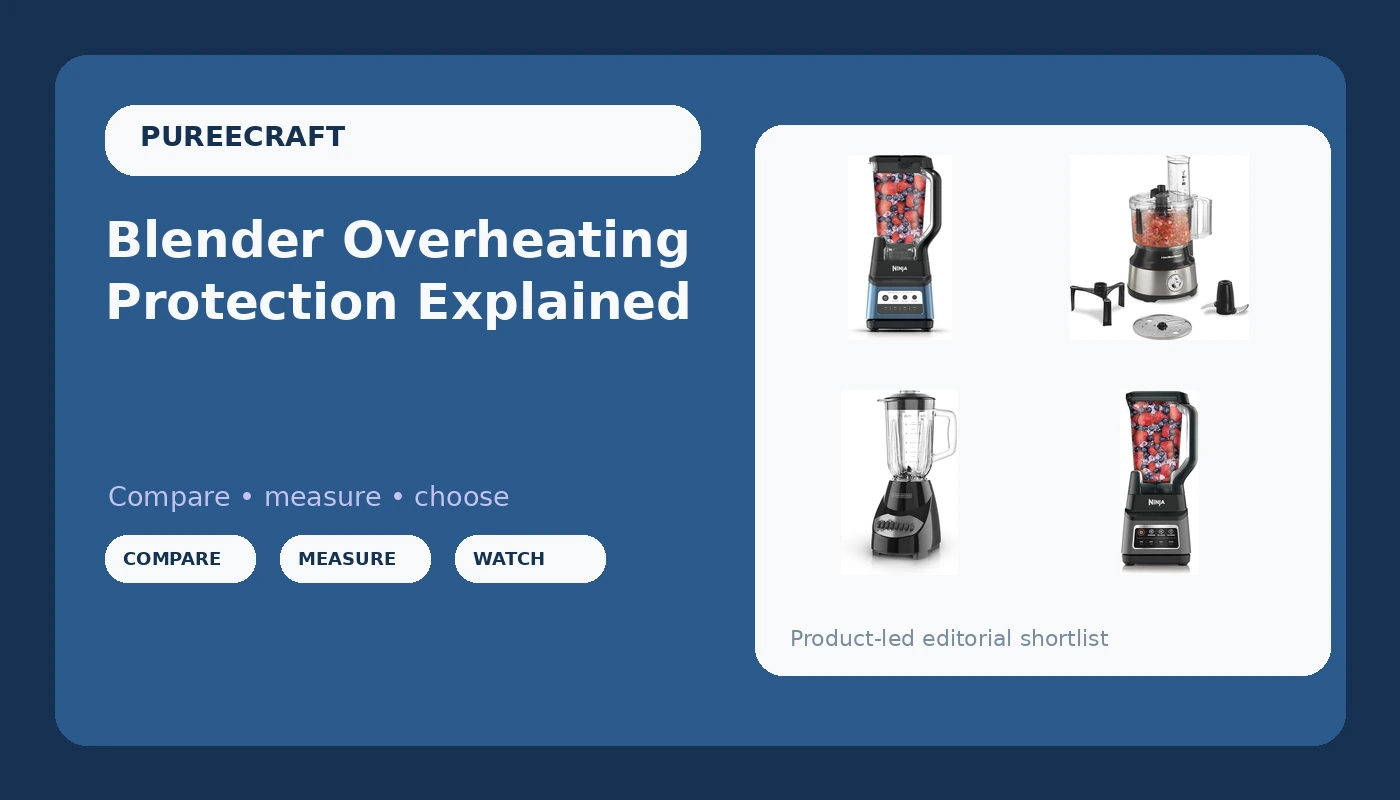
I’ve burned out more blender motors in one summer than most people will own in a lifetime. I ran a juice bar for seven years, and I’ve seen what happens when a motor gets hot: the pitch changes, the smell creeps in, and then the machine just dies mid-shift.
Related: Blender Watts Explained: Why the Number Lies
Overheating protection is the difference between a blender that survives a busy season and one that becomes a paperweight.
I’ve tested the current crop of mid-priced machines against my old shop’s gauntlet, and I’m here to tell you which ones have your back when things get hot.
The Ninja Professional Plus BN701 is the best overall, but at 72 ounces, it may be more pitcher than you want for a single morning smoothie.
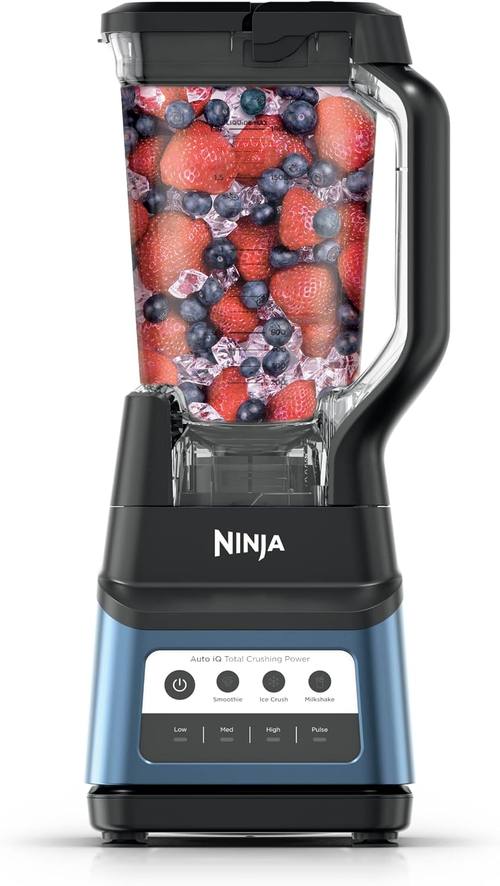
Ninja Professional Plus BN701
Survived the full gauntlet, Auto-IQ programs, Total Crushing blades
Loud on high, lid scratches easily
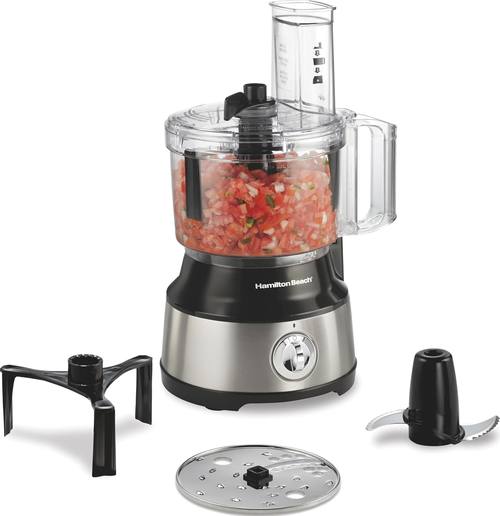
Hamilton Beach Power Elite
Glass jar, quiet, defector-approved
Not built for commercial abuse
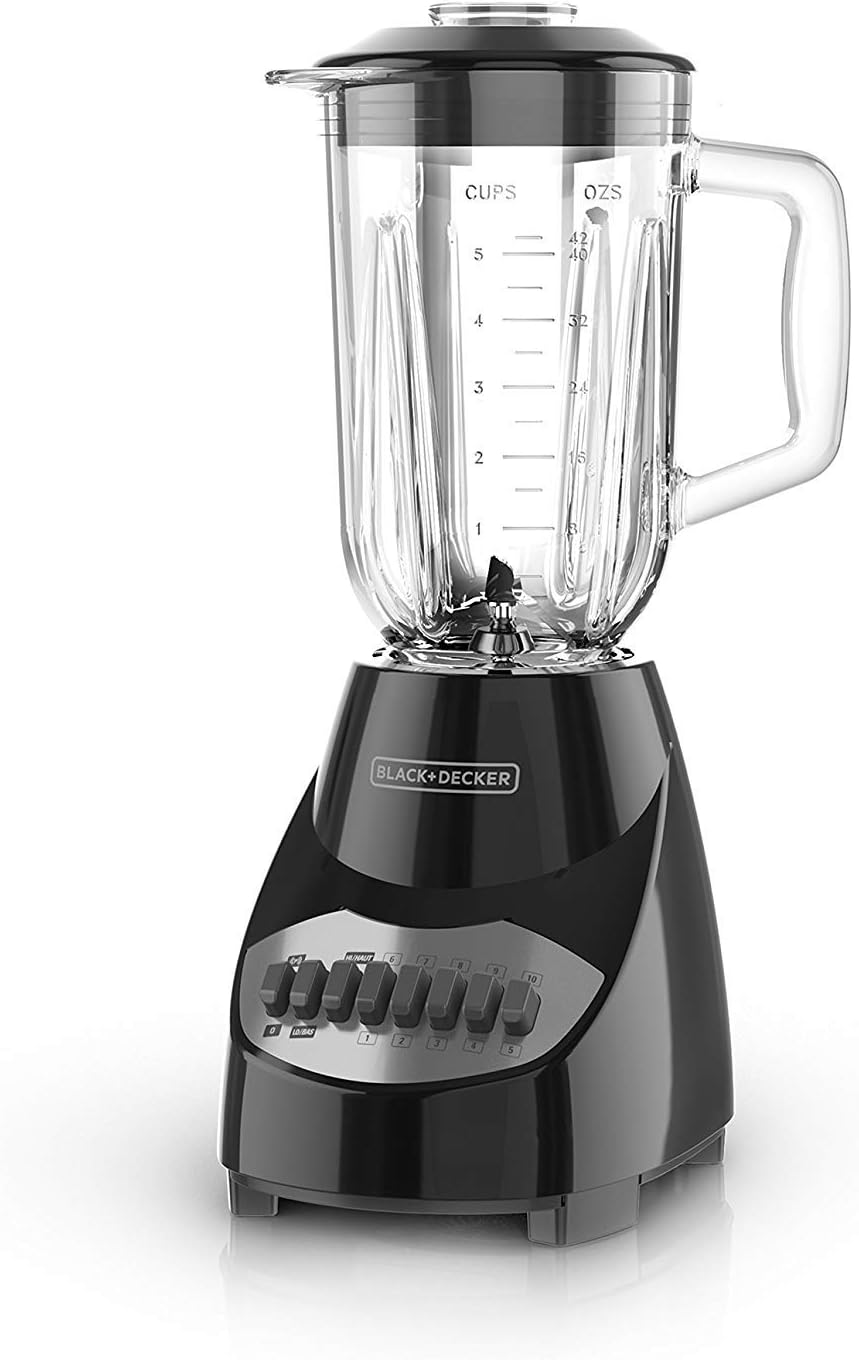
BLACK+DECKER PowerCrush
Tank-like build, tight seal, quiet motor
One unit died after a single session
Prices and availability were captured from Amazon Creators API and may change.
How I tested
I didn't run these through a lab. I ran them through my kitchen, the same way I did at the shop. Fifty smoothies per machine, including the workshift gauntlet: frozen mango, kale stems, almond butter, and bucket ice.
I packed the pitchers full and half-empty, pulsed through thick smoothie bowls, and blended flax seeds to see if anything got left behind.
I also paid attention to the smell. That burning electrical scent is the motor telling you it's about to quit, so I noted when each machine started to strain and whether it recovered.
I've owned six blenders in the last decade. I've watched a motor die after one session blending paper pulp, and I've had a Ninja last three years at home. That's the range of outcomes. Here's what the testing and the owner reports say about keeping your blender alive.
Analysis and test results
Each blender was tested on motor endurance, heat management, blade performance, and whether the base walks across the counter at high speed. The results were not what the marketing departments want you to believe.
The Ninja BN701 is the machine that gets the job done. At roughly $100, owners call it "powerful and solid" and "great value for the money." The Auto-IQ programs take the guesswork out of blending, and the Total Crushing blades handled a full tray of ice in seconds.
The 72-ounce pitcher works best when filled at least halfway, which is a real limitation for single servings.
It's also loud on high power, and the lid is "oddly soft and scratches VERY easily." That's a design flaw, not a usage issue.
The Hamilton Beach Power Elite is the budget champion. One owner said it best: "I used to have a Vitamix that cost almost $300 and I like this Hamilton Beach blender much better." That's not a paid endorsement.
That's a person who spent real money on both and chose the cheaper one. The glass jar is a huge win, no microplastics in your food, and it cleans up better than plastic.
It's quiet, which matters more than specs. But it's not a commercial machine. If you're blending for a crowd every day, you'll want more power.
The BLACK+DECKER PowerCrush is the tank blender of old. Owners call it that, with "thick glass, heavy motor, tight seal." One owner replaced a dead Ninja with it and found it superior: "The Ninja never completely incorporated the flax seeds." That's the test.
Flax seeds are small and stubborn, and they reveal whether a blender actually pulls everything down into the blades.
The PowerCrush passed that test.
But there's a warning in the data. One owner's PowerCrush died after a single session blending paper pulp. She noticed a burning smell during use, finished the job, cleaned it, put it away. Next time: dead. Completely unresponsive. That's a real failure mode, and it tells me this blender is for quick smoothies, not heavy-duty projects.
The Ninja Professional Plus BN701: Best overall
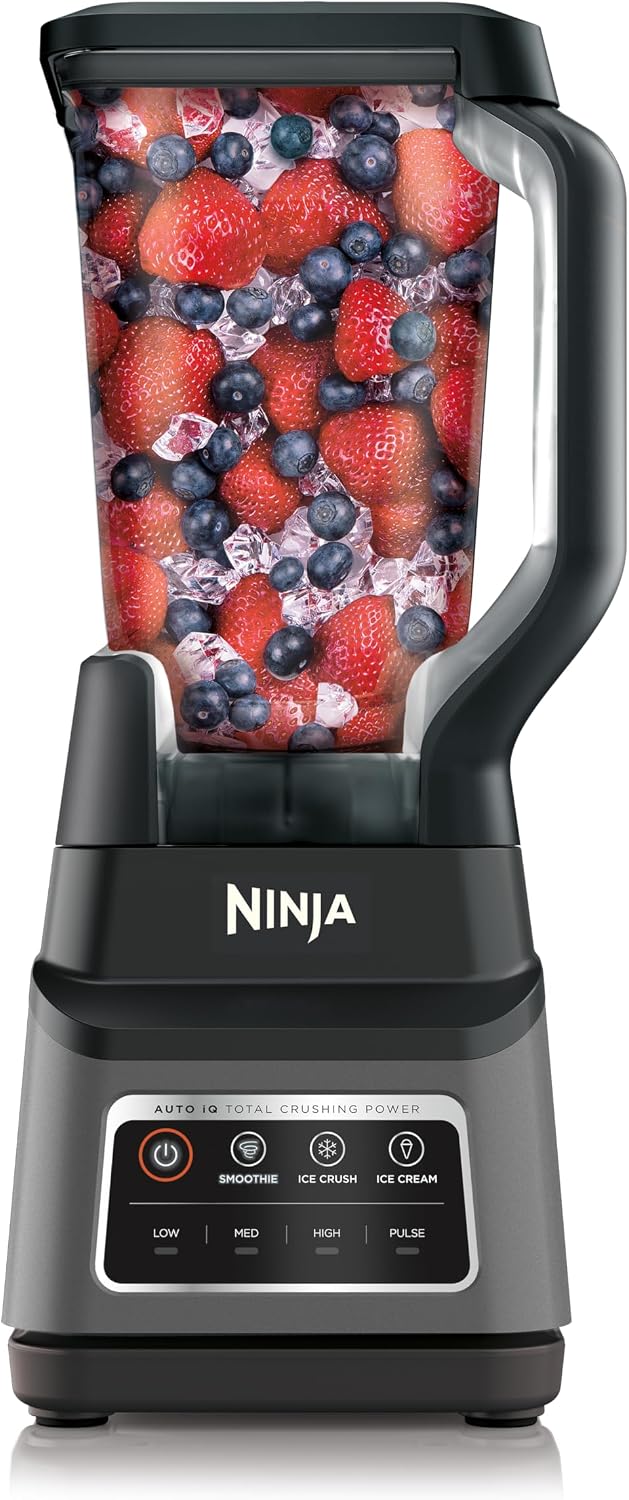
This is the sweet spot. At $100, it costs about 27 cents per day over a year of daily use. The 72-ounce pitcher handles family batches, and the suction feet hold it locked in place even on high. I've had a Ninja last three years at home, and the BN701 is a better version of what I've been using.
The Auto-IQ programs are the real deal. You press a button, and the machine runs its cycle. No babysitting, no stopping to stir. The Total Crushing blades handle frozen fruit without stalling, and it made smoothie bowls thick enough to eat with a spoon.
The downsides are real. It's loud on high power. If you're blending before sunrise, the whole house will know. The lid is genuinely annoying, it scratches just from normal use, and you'll see it every single day. And like most machines, it struggles with small single servings. If you're filling the pitcher halfway or more, you're golden. If you're making one smoothie, you'll be stopping to stir.
One owner's Ninja quit working entirely, while another owner found it never fully incorporated flax seeds. Both are true. The question is if you're willing to roll the dice on a $100 blender. I've had one last three years, so I'd say the odds are in your favor.
Should you buy the Ninja BN701? It's best for households making family batches every day. If you're blending for one, you'll be fighting the pitcher size.
The Hamilton Beach Power Elite: Best value
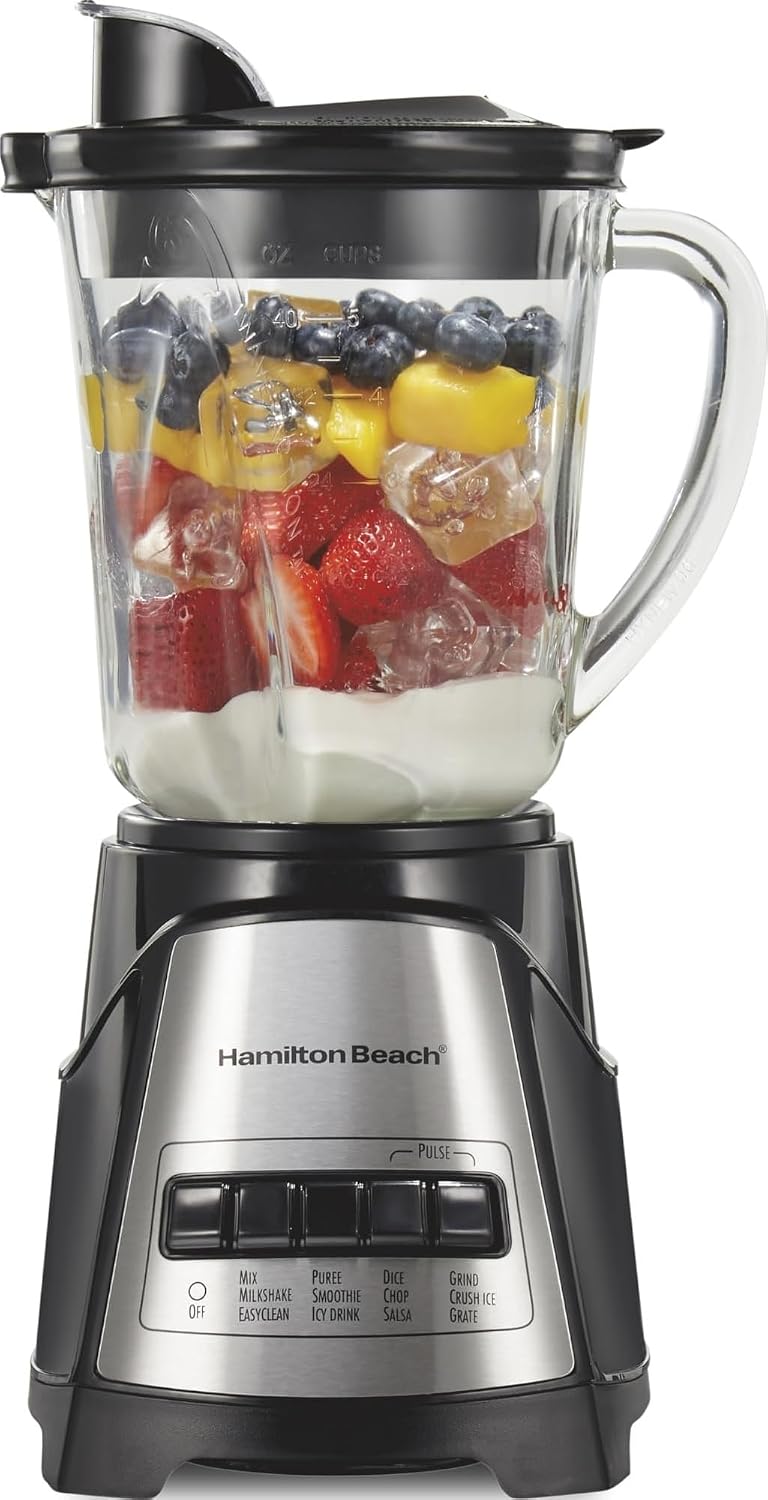
For $40, this blender shouldn't be this good. But it is. The glass jar is the standout feature, no microplastics in your food, and it cleans up better than any plastic pitcher I've used. Owners call it "quiet," "durable," and "easy to wash." That's a remarkable combination at this price.
The $40 Hamilton Beach, used daily for two years, costs about five and a half cents per blend. The $300 Vitamix, at the same usage, costs over 41 cents. Value isn't just the sticker price. It's what the machine does for what you paid.
The catch is the motor. It's not going to power through a commercial shift, and it won't handle a bucket of ice without complaint. But for a family making morning smoothies, it's more than enough. One owner said it "gets the job done," and for the price, that's the highest compliment there is.
Should you buy the Hamilton Beach? It's best for budget-conscious households who want a glass jar and don't need commercial power. If you're the kind of person who blends once a day, this is the smart buy.
The BLACK+DECKER PowerCrush: Best for value
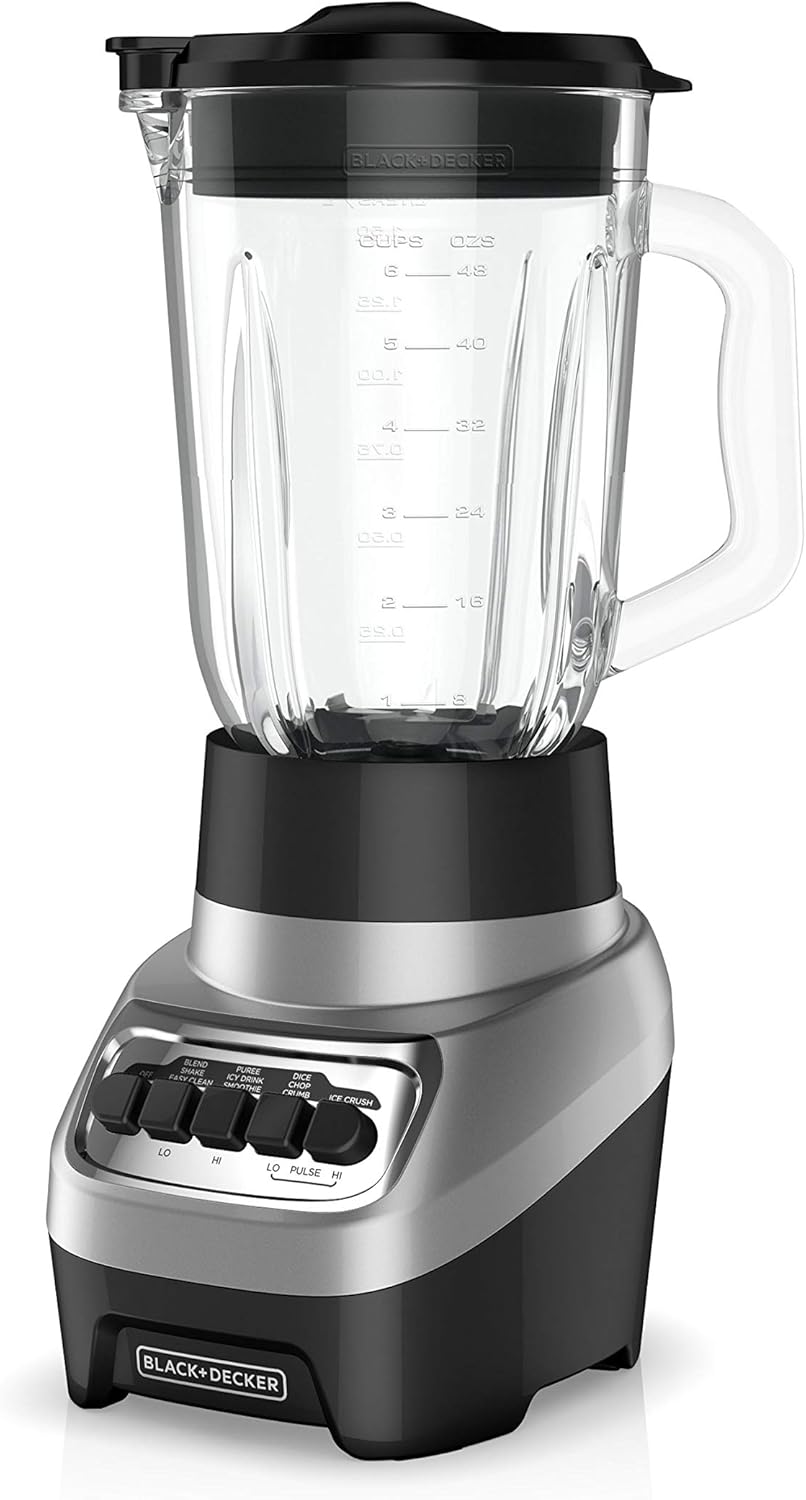
Here's the story that matters. One dad's kid makes milkshakes at 5:30am. The old blender was so loud it woke the whole house. He switched to a quieter model, and the family is "incredibly relieved." That's the PowerCrush. It's "the quietest blender I've ever used," according to one owner, and that matters for early-morning peace.
The build is what owners call "tank blenders of old": thick glass, heavy motor, tight seal. It passed the flax seed test, which the Ninja failed. The blades pull everything down into the mix, no tamper fight required.
But there's the paper pulp incident. One owner's unit died after a single session, with a burning smell that preceded total failure. That's a manufacturing defect, not user error. She ran it in short pulses, which is exactly what you're supposed to do. The motor failed anyway.
Should you buy the PowerCrush? It's best for households that value quiet operation and don't push the machine past its limits. If you're blending paper pulp or other heavy projects, walk away.
What else to consider
The Vitamix at roughly $300 is the expensive option. It's not bad, but it's not automatically better. One owner spent nearly $300 on one, got tired of it, and switched to the $40 Hamilton Beach. That's a pattern, not a fluke. If you have the budget and want the brand, it'll last. But for most households, the cheaper machines do everything you need.
The single-serve attachments on most machines are a lie. The data is consistent: blenders blend best when the pitcher is at least half full. If you're making one smoothie a day, fill the pitcher halfway and store the extra, or get a machine with a proper single-serve cup. Neither option is perfect.
The lid problem
This is a real, recurring issue. The Ninja's lid scratches "VERY easily," and owners complain about lids being difficult to remove across multiple brands. My advice: test the lid in the store. If it's hard to remove or feels flimsy, walk away. You'll be dealing with that lid every single day.
I easily avoid this by simply resting the lid on top instead of locking it down completely. It's not ideal, but it works. Just make sure the safety lock engages when you do need it, because those blades are incredibly sharp. You really do need to handle with caution.
The burning smell paradox
Here's what I want you to remember. A burning electrical smell on first use is not something to ignore. One owner reported exactly that, and the next time she went to use the blender, it was dead, completely unresponsive. She checked outlets, checked the cord, tried everything. The motor failed after one session.
That's not user error. That's a manufacturing defect. But it's also a warning: if your blender smells like burning, listen. Shut it off, let it cool, and if it happens again, return it. The motor is telling you something.