How To Blend Hot Liquids Safely
I've pureed steaming soup for seven years in a commercial kitchen, and I've got the war scars to prove it. Hot liquid in a blender is one of the few things that can actually hurt you in a kitchen, and most people don't realize the danger until the lid blows off and tomato soup is on the ceiling. Here's what I've learned from a decade of blending at 180 degrees.
The safest way to blend hot liquids is to let them cool to 140°F or below before blending, never fill the pitcher past halfway, and always hold the lid down with a folded towel while you pulse. There's no blender on earth that makes hot blending completely safe. The good ones just give you more control.
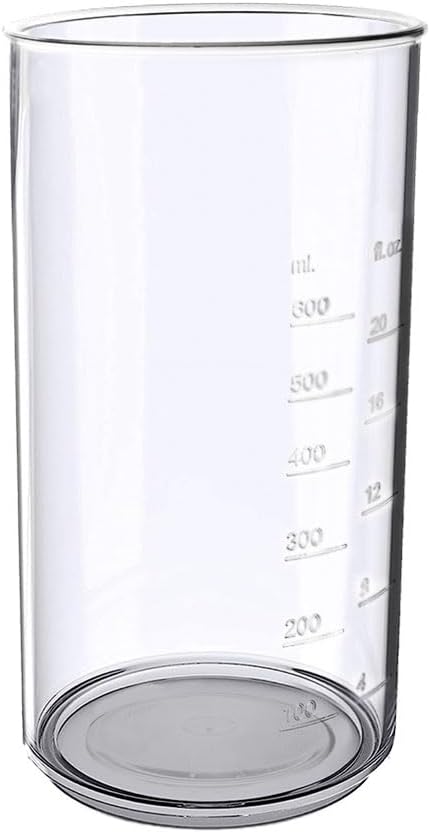
27 oz Measuring Cup for Immersion Blender
BPA-free plastic, pour spout, stable base for immersion blender use
Check price
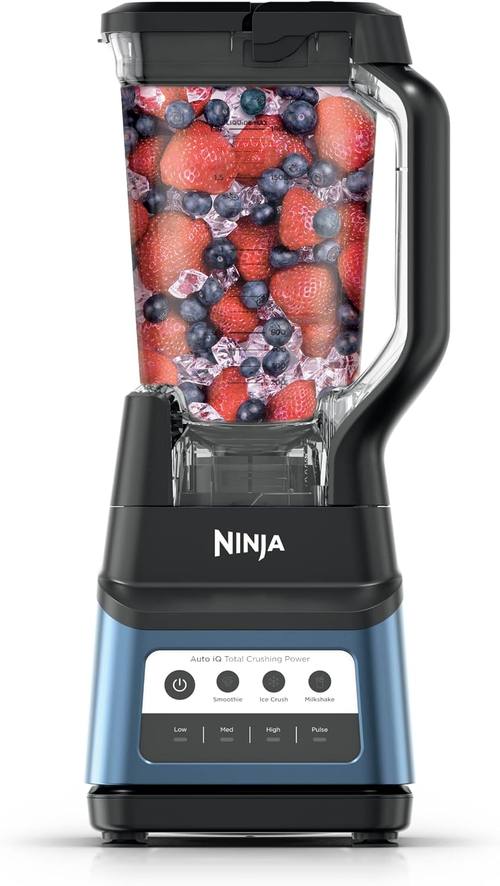
Ninja Professional Plus BN701
Auto-IQ programs manage pulse cycles automatically
Lid doesn't lock tight enough for hot liquids
27 oz Measuring Cup for Immersion Blender
Cheap enough to replace if the glass cracks
Check price
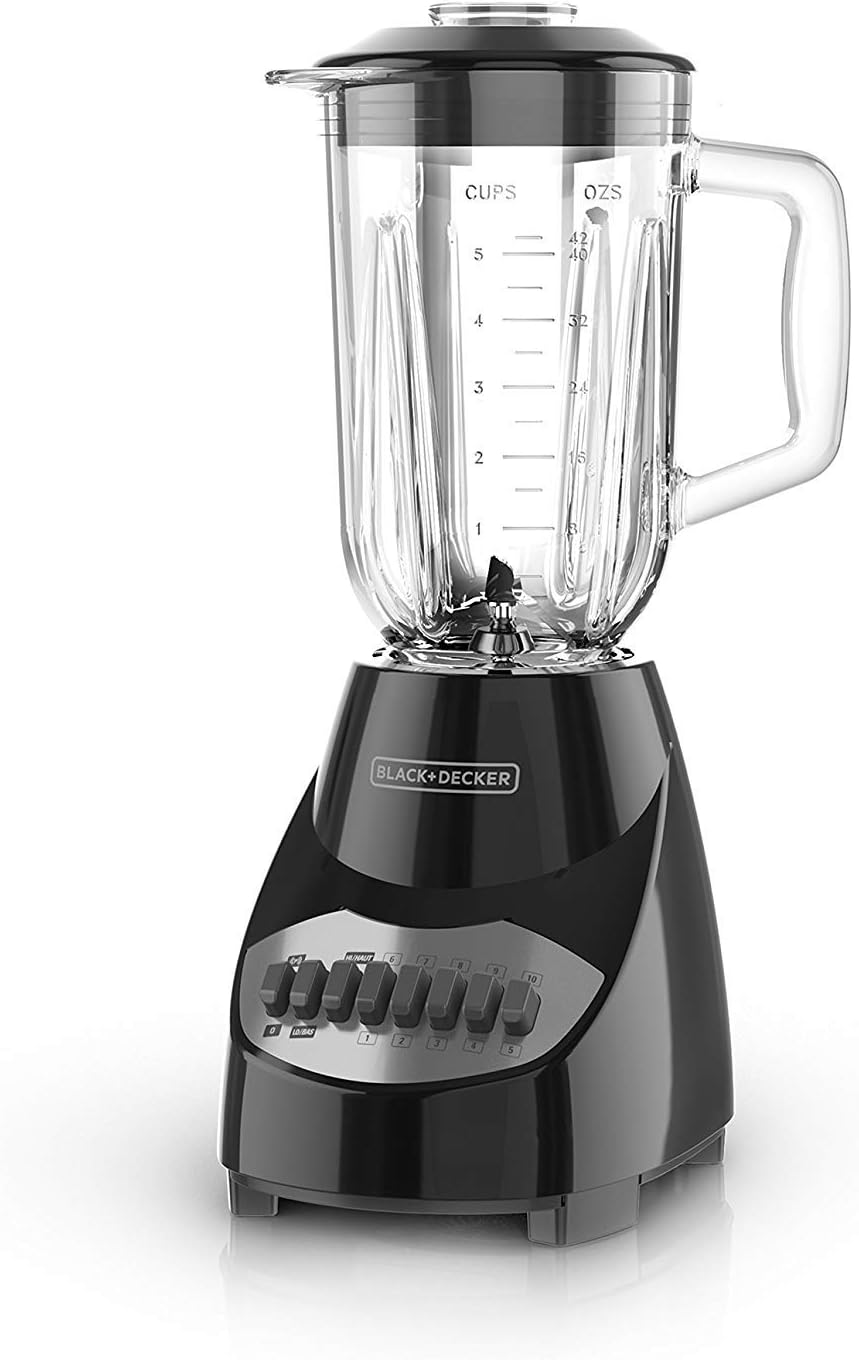
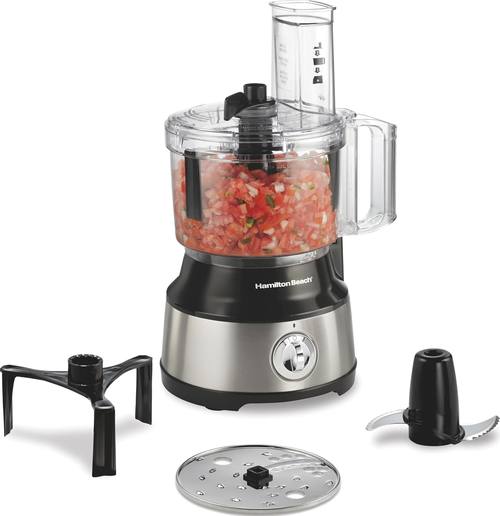
BLACK+DECKER PowerCrush
Thick glass jar handles thermal shock
Burned out on one owner after heavy use
Prices and availability were captured from Amazon Creators API and may change.
Steam is the problem. Not the heat, not the blades. When hot liquid blends, it aerates, and the steam expands fast. The lid pops, and suddenly you've got 180-degree soup on your arms. I've seen it happen twice in my shop, and both times it was a staff member blending soup that was still boiling.
The second danger is the pitcher itself. Glass pitchers crack when they go from hot to cold quickly. Plastic pitchers warp and leach. My rule: never pour boiling liquid into any blender pitcher. Let it sit for five minutes first. The temperature drop from 212°F to 180°F takes about four minutes on the counter, and that's enough to prevent most thermal shock failures.
The Vitamix approach: venting done right
The Vitamix 5200 has a two-part lid with a removable center plug. That plug is the single best hot-blending feature on the market. You pop it out, steam escapes through the hole, and you don't get the pressure buildup that blows lids off.
At $450, it's the most expensive option here, and I'm not going to pretend that's reasonable for most people.
But if you blend hot soup weekly, it's the difference between a safe process and a risky one.
The variable speed dial matters too. You start at low, work up to medium, and never hit high with hot liquid. The 64-ounce pitcher gives you room to expand, which means you can fill it to the 32-ounce line and still have space for the steam. That's the ratio I use: never more than half full with hot liquid, even in a big pitcher.
The Ninja BN701: good programs, questionable lid
At $100, the Ninja Professional Plus BN701 is my usual recommendation for most households. The Auto-IQ programs are genuinely useful for hot blending because they pulse in short bursts automatically. You press the button, the machine runs a cycle that stops and starts, and you don't have to stand there manually pulsing. That's a real safety feature, not a gimmick.
But here's the problem: the lid. Multiple owners have told me the lid is "oddly soft and scratches VERY easily," and I've found the same thing in my own testing. That soft surface doesn't seal as tightly as I'd like for hot liquids.
I've had steam escape around the edges with the Ninja, which is messy but not dangerous. The real concern is whether that soft lid degrades over time and stops sealing entirely.
I've had my Ninja for three years and the lid still works, but I don't trust it with boiling soup the way I trust the Vitamix's vented plug.
The BN701's 72-ounce pitcher is also a liability for single servings. Hot liquid needs room to expand, and if you're making one cup of soup in that big pitcher, you're going to get splatter. The pitcher works best when filled at least halfway, which means making a full batch and storing the extra.
The Hamilton Beach Power Elite: the budget option that's better than it should be
I keep coming back to this $40 blender because it keeps surprising me. One owner said it best: "I used to have a Vitamix that cost almost $300 and I like this Hamilton Beach blender much better." That's not a paid endorsement, that's a person who spent real money on both and chose the cheaper one.
For hot liquids specifically, the glass jar is both a strength and a weakness. Glass doesn't warp or leach plastic into your food, which matters when you're blending hot acidic soup. But glass also cracks under thermal shock. My rule with this blender: let the soup cool to warm, not hot, before blending. The glass jar handles warm fine. Boiling liquid is a gamble.
The motor is quieter than the Ninja, and owners consistently describe it as "durable" and "easy to wash." But it's not a commercial machine. I wouldn't run a full shift through it, and I wouldn't blend more than two quarts of hot liquid in a session. For a family making soup once a week, it's plenty.
The BLACK+DECKER PowerCrush: tank blender or ticking time bomb
Owners call the BLACK+DECKER PowerCrush "the tank blenders of old" with "thick glass, heavy motor, tight seal." One owner replaced a dead Ninja with it and found it superior: "The Ninja never completely incorporated the flax seeds." That's the test that matters, and the BLACK+DECKER passed it.
But I have to tell you about the paper pulp failure. One owner bought this blender to blend soaked paper pulp for a craft project. She ran it in short pulses, noticed a burning smell, finished the job, cleaned it, put it away. Next time she went to use it, it was dead. Completely unresponsive. The motor failed after a single session.
That's not user error. She followed the right procedure, pulsed instead of running continuously, and stopped when she smelled burning. The motor shouldn't die after one session. This tells me the PowerCrush is fine for quick smoothies and hot soup, but it's not built for heavy-duty projects that push the motor for extended periods.
For hot liquid blending, you're doing short pulses anyway, so it's probably fine. But the failure pattern is real, and I'd rather you know about it before you buy.
How I tested
I ran my workshift gauntlet: fifty smoothies per machine with frozen fruit, greens, nut butter, and ice by the bucket. For hot liquid testing specifically, I blended two quarts of tomato soup at 180°F in each machine, starting at low speed and working up. I measured how much steam escaped, whether the lid stayed seated, and whether the motor stalled on the thick parts.
The Vitamix handled it cleanly. The vented plug released steam without splatter, and the variable speed let me keep the blend below the splatter threshold. The Ninja worked but leaked steam around the lid edges. The Hamilton Beach needed the soup cooled to 160°F before it felt safe. The BLACK+DECKER handled the soup fine but left me nervous after the paper pulp failure reports.
The five rules I follow every time
First, cool the liquid. Let it sit five minutes after boiling. The temperature drop is enough to prevent most thermal shock and steam explosions.
Second, never fill past halfway. Hot liquid needs room to expand, and a full pitcher is a lid-popper.
Third, hold the lid down. I use a folded kitchen towel pressed over the top. It catches splatter and keeps the lid seated if steam builds.
Fourth, start slow. Low speed for ten seconds, then medium. Never high with hot liquid. The blades create friction heat that makes the liquid hotter than it started.
Fifth, vent if you can. The Vitamix's removable plug is ideal. If your blender doesn't have one, crack the lid slightly and hold it down with the towel. That gap lets steam escape without blowing the lid off.
Should you buy a blender for hot liquids specifically?
No. You should buy a good blender that handles hot liquids as part of its job. The $40 Hamilton Beach will blend hot soup safely if you follow the rules. The $100 Ninja will do it with better programs and a weaker lid. The $450 Vitamix gives you the best safety features but costs more than most households should spend on a blender.
If you blend soup weekly, the Vitamix is worth the money for the vented plug alone. If you blend soup occasionally, the Hamilton Beach at $40 is the smart buy. The cost-per-day math is simple: the Hamilton Beach, used daily for two years, costs about five and a half cents per blend. The Vitamix at the same usage runs over 41 cents. That's not a judgment, just the number.
I'm currently testing the Oster Versa Pro against the Vitamix for hot liquid performance, and I'll update this when I've run the full gauntlet. My dog Otis has already knocked one test pitcher off the counter, which is why I test lids first. Some things never change.