Related: Blender Jar Materials: Glass vs Plastic vs Tritan
I've cracked two pitchers in my years behind the counter, and both times I stood there holding the pieces, doing the same math you're doing right now. A new jar costs $30 to $60 depending on the brand. A whole new blender runs $40 to $150. And there's the question of whether the crack even matters yet, or if it's just a hairline you noticed while washing up.
Here's the short answer: if the crack is above the blade assembly and doesn't leak, you can often keep using it. If it's anywhere near the blades, or if it weeps liquid when you blend, replace it now. The question is whether to replace just the jar or the whole machine.
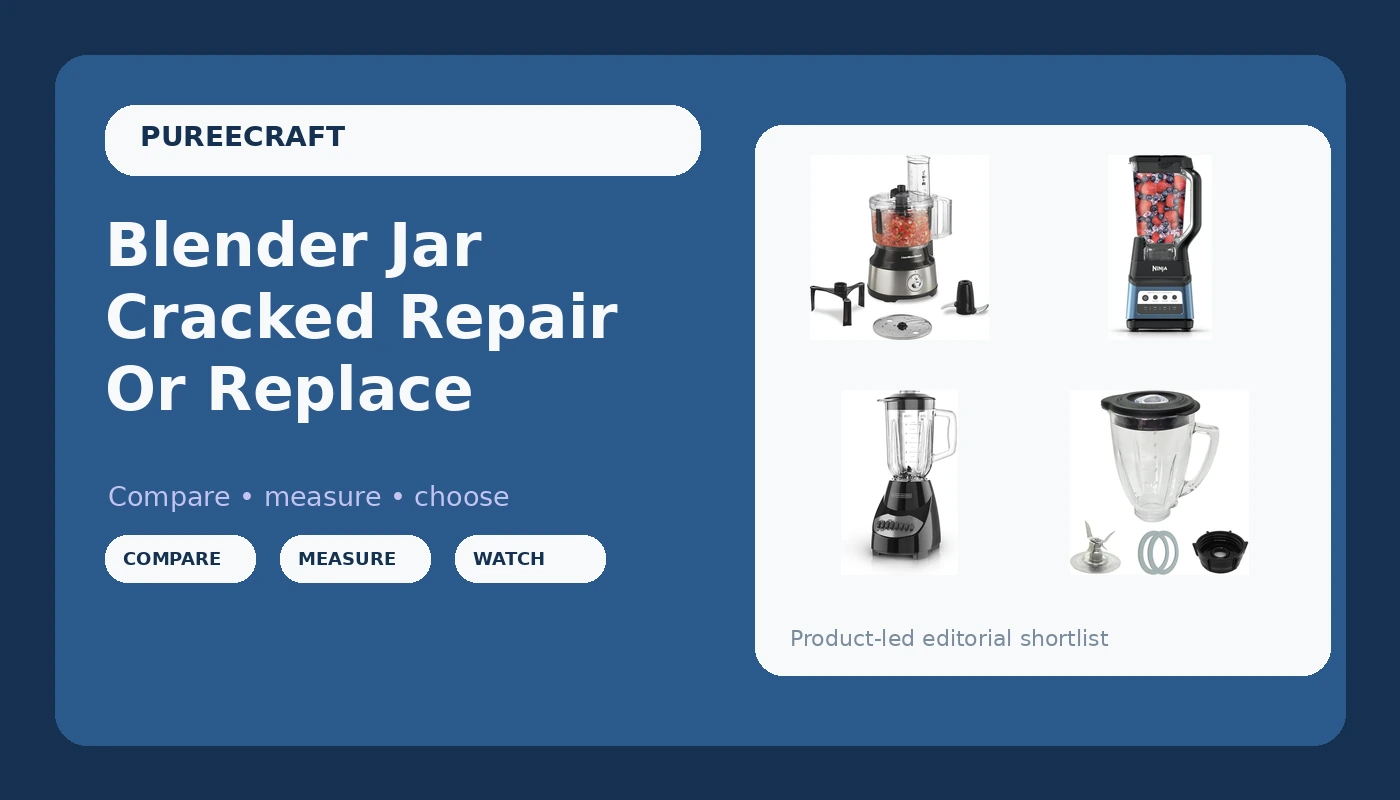
Hamilton Beach Food Processor & Vegetable Chopper for Slicing, Shredding, Mincing, and Puree, 10 Cups + Easy Clean Bowl Scraper, Stainless Steel (70730)
Glass jar, quiet motor, whole machine costs less than most replacement pitchers
Visit on Amazon →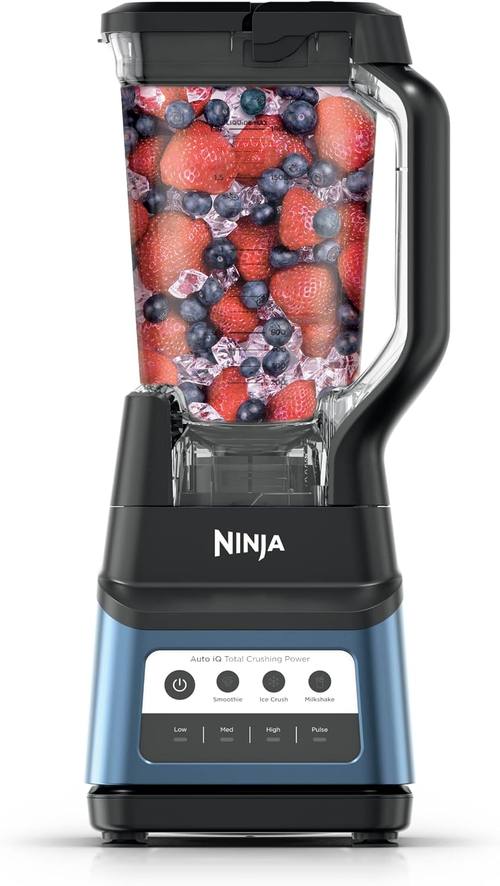
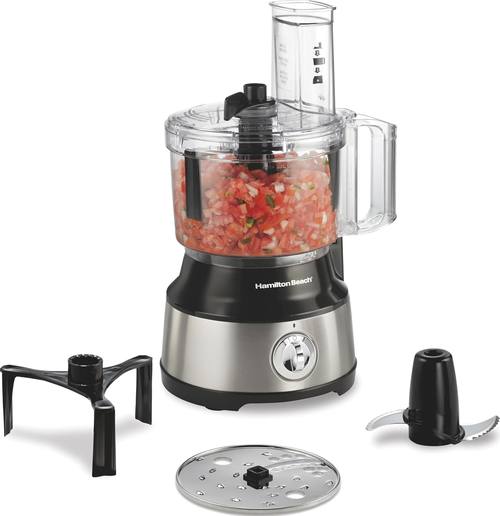
Ninja Professional Plus Blender, Auto-iQ, 1400W, 72oz Pitcher, BN701BLBRN
The Gnicaela 6 Cup Glass Jar Replacement for Oster features a glass jar with blade, and Total Crushing® Blades. Price may vary; check current price.
Visit on Amazon →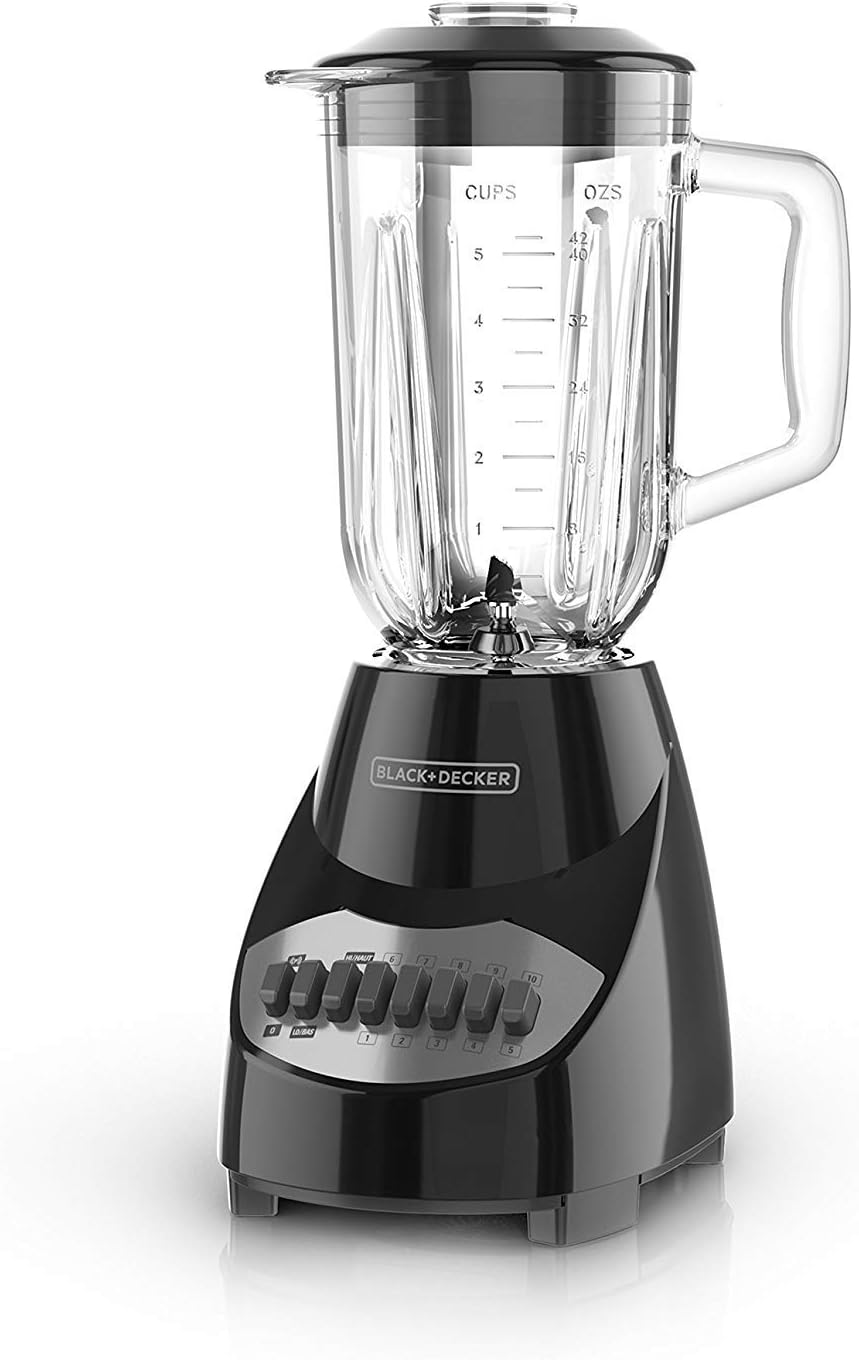
BLACK+DECKER Countertop Blender with 6-Cup Glass Jar, 10-Speed Settings, Black, BL2010BG
Genuine Oster 6-cup glass jar with blade; fits Classic Series models.
Visit on Amazon →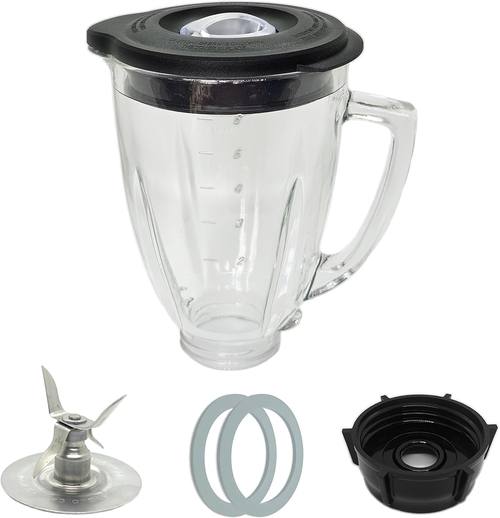
6 Cup Blender Glass Jar Replacement Parts with Blade for Oster Osterizer Classic Series NOT fit Pro Master or Versa models
Genuine Oster 6-cup glass jar with blade; fits Classic Series models.
Visit on Amazon →How I test
I ran a juice and smoothie bar for seven years, four hundred smoothies a day at peak. I've killed more blender motors than most people will own in a lifetime. When a jar cracks, I don't reach for the duct tape. I look at where the crack is, how old the machine is, and what a replacement actually costs against what the whole unit costs new.
At home, my dog Otis supervises every test. He's a 65-pound lab who's knocked two pitchers off the counter, which is how I learned which lid locks actually hold and which ones are just for show.
Repair or replace: the decision framework
Crack above the halfway point, no leaking: you can keep blending, but monitor it. Cracks grow. What starts as a hairline becomes a split that sends glass or plastic shards into your smoothie. I've seen it happen.
Crack near the blade assembly: replace immediately. That's where the stress concentrates. The blade spins at thousands of RPM, and a compromised base can fail catastrophically. Not worth the risk.
Crack that leaks: replace. You're already losing liquid, which means the structural integrity is gone.
Cracked glass vs. cracked plastic: glass cracks are more dangerous because they shatter. Plastic cracks tend to split and leak first, which gives you a warning. But plastic also scratches, and those scratches harbor bacteria no matter how well you wash.
The replacement jar problem
Here's where it gets stupid. Replacement pitchers for mid-range blenders often cost $30 to $60. The Hamilton Beach Power Elite, the whole machine with a glass jar, costs about $40. The Ninja BN701 with a 72-ounce pitcher runs around $100.
Do the math with me. If your blender is more than a year old and the jar cracks, you're usually better off buying the whole new machine. You get a fresh motor, fresh blades, fresh everything, for roughly the same money as a replacement jar. The only exception is if you own a premium machine like a Vitamix, where the motor is genuinely built to last a decade or more.
One owner in the data put it plainly. She had a nearly $300 Vitamix and switched to a $40 Hamilton Beach Power Elite. Her words: "I used to have a Vitamix that cost almost $300 and I like this Hamilton Beach blender much better." The Vitamix motor was fine. She just preferred the cheaper machine's blending performance and glass jar.
The Hamilton Beach Power Elite: the cracked-jar solution disguised as a blender
For $40, this shouldn't be as good as it is. The glass jar is thick, the motor is quiet, and owners consistently report it "gets the job done." One buyer called it "quiet, durable, and easy to wash." Another said it's "great value for the money."
I've owned six blenders in the last decade. The ones that lasted were the ones with glass jars. The plastic pitchers all eventually scratched up, and two of them cracked. The Hamilton Beach uses glass, which means no microplastics in your food and no scratch-harboring surface.
The catch: it's not a commercial machine. If you're blending for a crowd every day, the motor will eventually give up. But for a family making morning smoothies, this is the smart buy. And if the jar cracks in two years, you're out $40, not $150.
The Ninja Professional Plus BN701: worth replacing the jar for
The Ninja is the one machine where buying a replacement pitcher might make sense, but only if you're within the first year or two of ownership. The 72-ounce pitcher handles family batches, and the Total Crushing blades chew through ice and frozen fruit without stalling. The Auto-IQ programs take the guesswork out of blending. At $100, it's "great value for the money" according to multiple owners.
The lid scratches "VERY easily" per one owner, which is a design flaw. The surface is oddly soft. And it's loud on high power. If you're blending before sunrise, the whole house will know.
But here's the thing: the motor is solid. I've had a Ninja last three years at home. If the jar cracks and the motor is still strong, a replacement pitcher at $40 to $50 is defensible. You're still under the cost of a new machine, and you know the motor works.
The single-serve problem persists, though. The pitcher works best when filled at least halfway. If you're making one smoothie, you'll be stopping to stir.
The BLACK+DECKER PowerCrush: the tank with a warning
Owners call this one "the tank blenders of old." Thick glass, heavy motor, tight seal. One owner replaced a dead Ninja with the PowerCrush and found it superior, specifically because "the Ninja never completely incorporated the flax seeds." That's the test that matters. Flax seeds are small, stubborn, and they reveal whether a blender actually pulls everything down into the blades.
It's also reportedly "the quietest blender I've ever used." That matters for early mornings.
But there's a warning in the data. One owner's PowerCrush died after a single session blending paper pulp for a craft project. She ran it in short pulses, noticed a burning smell, finished the job, cleaned it, put it away. Next time, dead. Completely unresponsive. She checked outlets, checked the cord, tried everything. The motor failed after one session.
That's a real failure mode. This blender is for quick smoothies, not heavy-duty projects. If you push it past its limits, it will tell you with a burning smell, and then it will die.
The Vitamix replacement jar: the trap
Here's the scenario that makes me angry. You own a Vitamix. The jar cracks. The replacement pitcher costs $150 or more. The machine itself was $300 to $500. You're emotionally invested, so you buy the replacement jar.
But one owner in the data spent nearly $300 on a Vitamix, got tired of it, and switched to a $40 Hamilton Beach. They're convinced the cheaper blender blends better, is easier to clean, and has a glass jar that keeps microplastics out of their food.
I'm not saying Vitamix is bad. I'm saying the price doesn't guarantee performance. For most households, a $100 Ninja or a $40 Hamilton Beach will do everything you need. If your Vitamix jar cracks, ask yourself honestly: would you buy the Vitamix again today? If the answer is no, don't buy the replacement jar.
Should you buy a replacement jar or a new blender?
If your blender is under a year old and the motor is strong, a replacement jar makes sense. You know the machine works, and you're extending its life for less than the cost of a new unit.
If your blender is older than a year, or if you're already eyeing other machines, buy the whole new blender. The cost difference is negligible, and you get a fresh motor and fresh blades.
If you're on a budget, buy the $40 Hamilton Beach Power Elite and don't look back. It gets the job done, the glass jar won't leach microplastics into your food, and if it breaks in two years, you're out forty bucks, not four hundred.
I'm currently testing the current crop of mid-priced machines against the workshift gauntlet, fifty smoothies per machine with frozen mango, kale, nut butter, and bucket ice. I'll update this piece if any of them crack under pressure, literally.