I spent seven years behind the counter of a juice and smoothie bar in San Diego, and on a busy Saturday we pushed 400 smoothies through the machines before noon. That job burned out more blender motors than most people will own in a lifetime: frozen mango, kale stems, almond butter, ice by the bucket. I test blenders for commercial kitchen suppliers now, and every machine still has to survive the same shift before I will put my name on it. When readers ask me about the best blenders for smoothies, they usually want a wattage number. Watts are a starting point, not a verdict. Blade geometry, jar shape, and whether the jar pulls a thick blend down into the cutting path decide whether you pour a smoothie or a cup of fruit chunks.
The short answer: for most kitchens, the Ninja Professional Plus is the best blender for smoothies you can buy without wincing, and the Vitamix VX1 is the one you buy when you want to stop thinking about blenders for the next decade. If your budget tops out well below that, the Hamilton Beach Power Elite and the BLACK+DECKER with the glass jar are the two honest options, and the trade-off between those two is real.
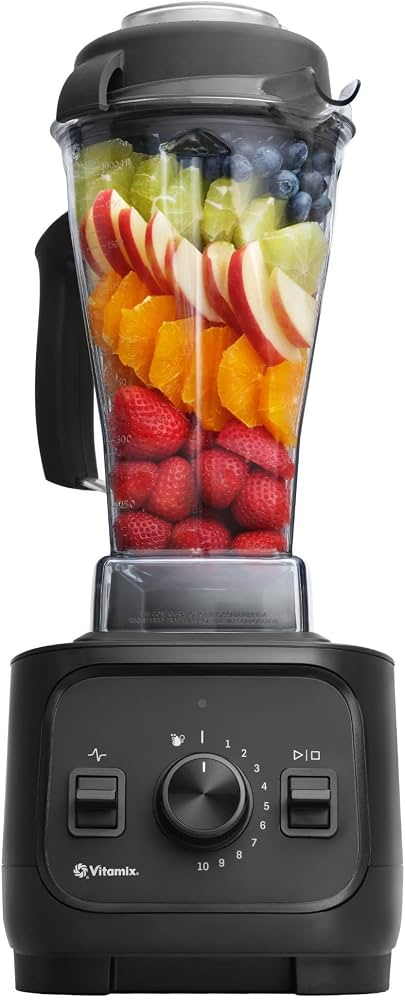
Vitamix VX1 Professional-Grade Blender, 64 oz. Container, Black
Professional-grade build, a 64 oz. container, and a jar that funnels thick blends back into the blades instead of leaving them stuck to the walls
Cost, and a ceiling most home kitchens will never reach, which means you are paying for headroom you may not use
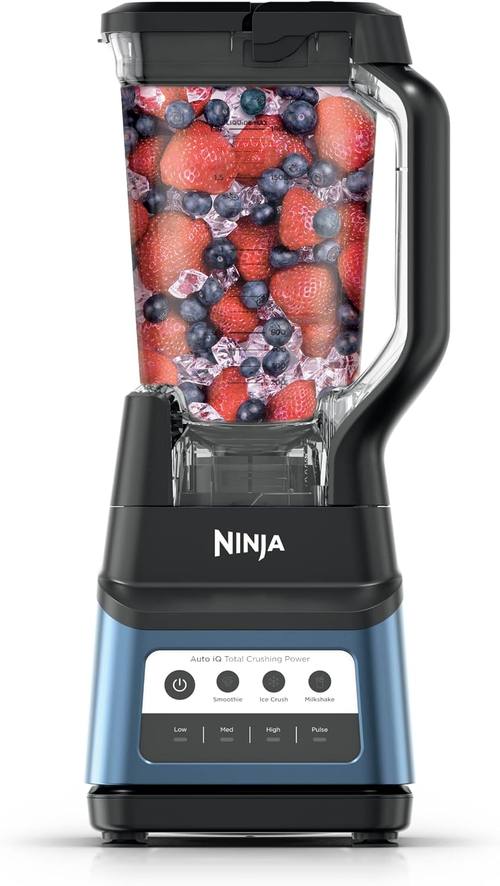
Ninja Professional Plus Blender, Auto-iQ, 1400W, 72oz Pitcher
A 1400W motor, a 72 oz. pitcher that handles a family batch, Auto-iQ programs, and a stacked blade design that genuinely crushes ice
The plastic pitcher scratches and clouds over time, and the presets take texture decisions out of your hands
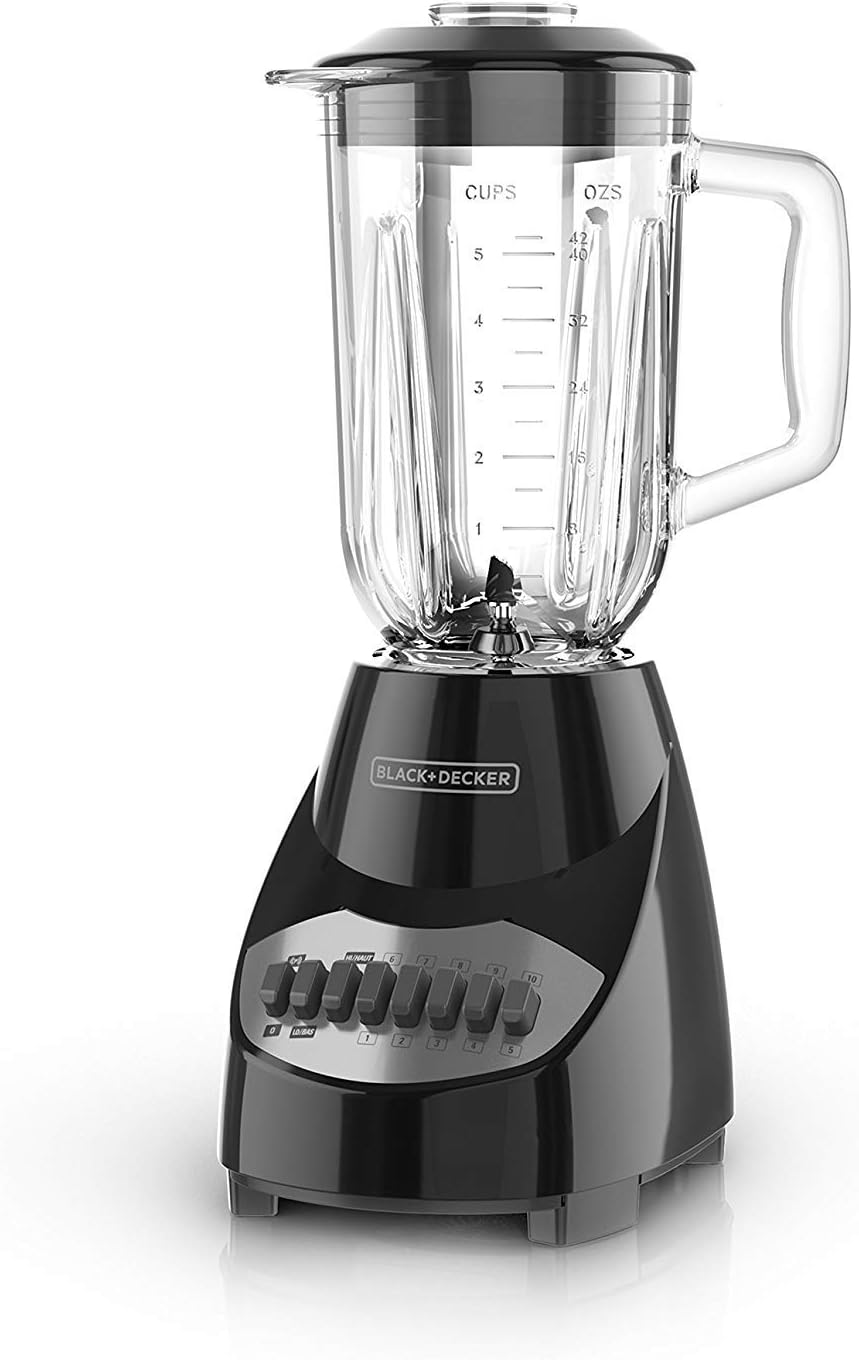
BLACK+DECKER Countertop Blender with 6-Cup Glass Jar, 10-Speed Settings, Black
A 6-cup glass jar that will not stain, hold smells, or scratch, plus 10 speed settings and a price that leaves room in the budget
Glass is heavy, six cups is small for a family, and the base is built for lighter duty than frozen fruit at full load
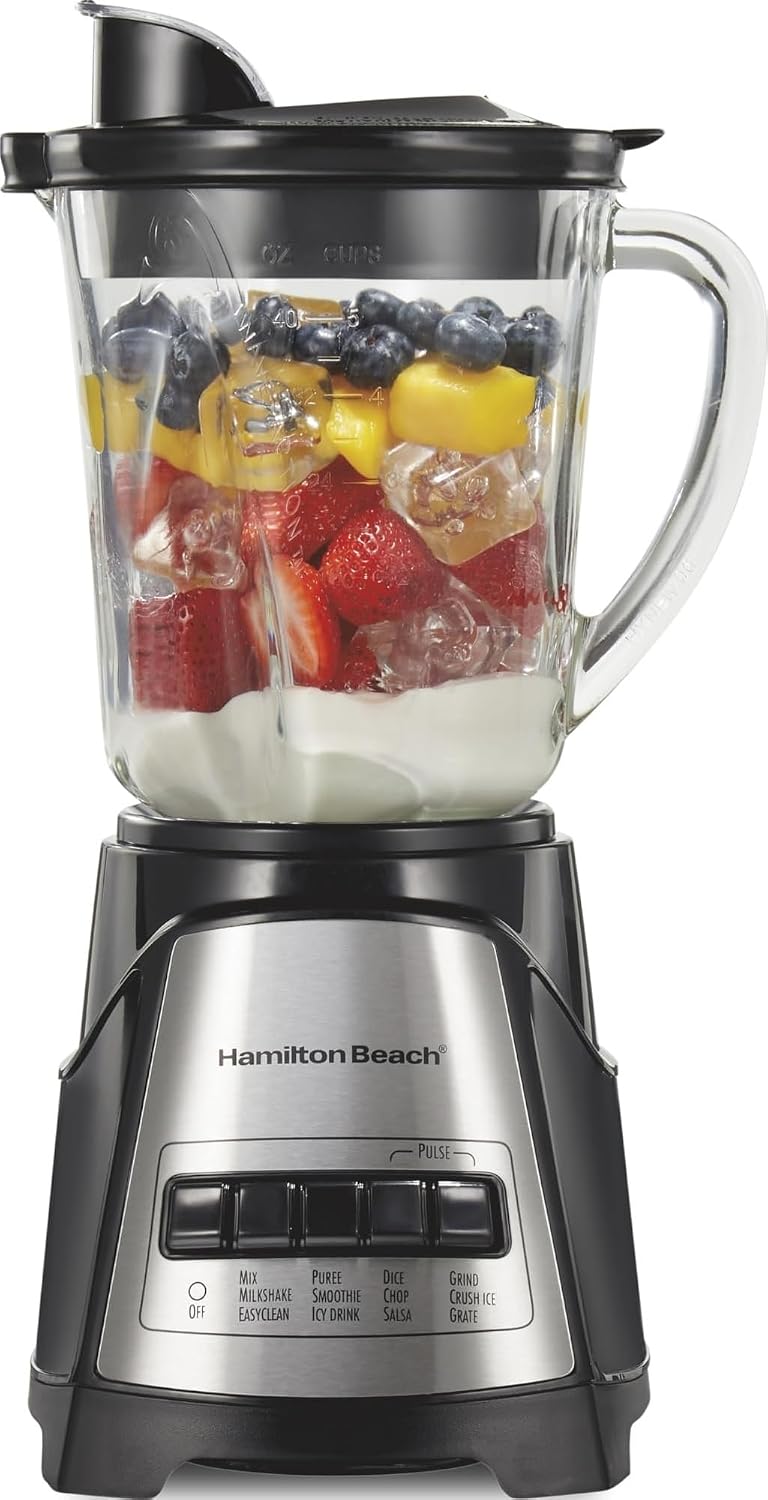
Hamilton Beach Power Elite Blender For Smoothies With Wave Action System
The Wave Action System keeps ingredients moving instead of parking them on the jar wall, and it is the least expensive route to a daily smoothie
No tamper at this price, a narrow speed range, and thick nut butter blends ask more of the motor than it wants to give
Prices and availability were captured from Amazon Creators API and may change.
How I judge a smoothie blender
Every machine that earns a recommendation from me runs the same gauntlet I used in the shop: fifty smoothies back to back, with a work shift of abuse folded into each one. Frozen fruit straight out of the freezer, never thawed. Kale stems, not baby spinach. A scoop of almond butter that turns the blend into concrete. Ice by the cup, not by the cube. I keep a stopwatch on the counter and a spatula in my hand, because that spatula is where most blenders fail.
Four things decide the outcome. Does the jar pull food down into the blade path? Does the motor hold its speed when the blend thickens? Does the base stay put on the counter at full speed? And does the jar survive the dishwasher without cracking at the seal? Notice that wattage is not on that list. A blender you are afraid to wash is a blender you will stop using, and a blender that walks across the counter while you hold a lid down is a blender you will start to resent.
Jar geometry, not wattage
Jar geometry is the difference between a cheap blender and a serious one, and it almost never appears in the marketing copy. A jar that tapers toward the blades creates a funnel. Thick blends fall back into the cutting path on their own, which is why you can walk away from a good machine for thirty seconds. A jar with straight walls and a wide floor lets ingredients park on the sides while the blades spin in a pocket of air. That is the actual reason budget blenders need constant scraping, and no wattage rating fixes it.
The Vitamix VX1 solves this with a tall, narrow container that gravity feeds the blades. The Ninja Professional Plus solves it a different way, using a stacked blade assembly to pull a vortex through a wider pitcher. The two budget machines in this comparison rely on you, the person holding the spatula, and that is the honest trade you make.
The Vitamix VX1: the last blender you buy
The Vitamix VX1 is a professional-grade machine with a 64 oz. container, and it is built for the kind of volume my old shop ran every day. It is the one blender here I would hand to a catering kitchen without a second thought, and it is the one I would buy if I wanted to stop shopping for blenders entirely. You are paying for jar design, motor headroom, and a container meant to be worked hard rather than handled gently.
The trade-off is obvious and it is not a small one. Most home cooks will never come close to this machine's ceiling, and a blender that is never stressed is a blender you overpaid for. If you blend once a week and you are honest about it, the Vitamix is a beautiful answer to a question you are not asking. If you blend daily, or you make nut butter, or you have killed two blenders in three years, it stops being expensive and starts being the cheaper option.
The Ninja Professional Plus: the value pick that crushes ice
The Ninja Professional Plus is what I recommend to most people, and the reasons are specific. The 1400W motor is real power rather than a marketing figure. The 72 oz. pitcher handles a batch for four without a second run. The stacked blades create enough turbulence to crush ice into something close to snow, which is the test I refuse to compromise on, because if a machine cannot do that it cannot make a proper smoothie.
Auto-iQ is the part that splits people. Press a preset and the machine runs a timed sequence of blending and pausing, which gives you consistency without thinking. It also means the machine decides your texture. I like manual control, and I still think the presets are the right call for a household that blends at 6:45 in the morning and wants one button.
The real weakness is the pitcher. Plastic scratches, then clouds, and once it clouds you cannot watch the blend come together. It keeps working. It just stops looking new, and that bothers some people more than it should.
The BLACK+DECKER with the glass jar: the dishwasher argument
This is the machine I point people toward when they tell me they want a jar they can throw in the dishwasher without a second thought. Glass does not stain from turmeric, does not hold the smell of onion, and does not scratch and cloud the way plastic does. Ten speed settings give you manual control at a level the Ninja presets do not, and the price is the kind that leaves room for a second appliance later.
The cost is weight and capacity. A 6-cup glass jar is heavy in the hand and small for a family batch, so you will be blending twice. A heavy jar on a lighter base is also a wobble risk, which is worth knowing before you walk away from the counter. And the base itself is built for lighter duty. Milk, yogurt, banana, and frozen berries, absolutely. A packed green smoothie with a scoop of almond butter is asking this machine for something it was not designed to give.
The Hamilton Beach Power Elite: the cheapest honest smoothie
The Wave Action System is the pitch here, and it is a genuine design idea: the jar is shaped to keep ingredients circulating instead of letting them sit against the wall. For a basic daily smoothie, that is most of what you need. It is the least expensive way into a blender that will still make you a decent breakfast, and the jar rinses out fast, which matters more than people admit.
What you give up is control and muscle. You will not get a tamper at this price, so thick blends mean stopping, scraping, and starting again. The speed range is narrow, and the motor is the limiting factor the moment you go heavy on frozen fruit or nut butter. If your routine is liquid, fruit, and ice, this is a fine machine. If your routine involves kale stems and almond butter, read the two rows above it in the table.
The trade-offs nobody prints on the box
Plastic versus glass. Plastic is lighter, cheaper, and it clouds. Glass is heavier, cleaner, and it breaks if you drop it. If you have ever scrubbed a jar to get the smell of garlic out of it, you already know which side you are on.
The tamper. The tamper is not an accessory, it is the difference between a smoothie and a chunky mess. Machines that blend thick ingredients without one are asking you to do the work with a spatula.
Presets versus dials. Presets buy consistency and cost you control. Dials give you control and cost you attention. Neither is wrong, but you should know which one you are buying.
Cleanup. A jar that goes in the dishwasher gets used. A jar that needs hand washing with a bottle brush gets used for three weeks and then lives in a cabinet.
Sound and stability. Some machines are loud enough that you will schedule your smoothie around the household. All of them should sit still at full speed. If a base walks, send it back.
Which one should you buy?
Buy the Vitamix VX1 if you blend daily, you have killed a blender before, or you make nut butter and thick green blends. Buy the Ninja Professional Plus if you want the best performance per dollar, you have a family to feed, and you want ice crushed properly without a debate. Buy the BLACK+DECKER with the glass jar if dishwasher-safe glass is non-negotiable and your blends are on the lighter side. Buy the Hamilton Beach Power Elite if you want a simple morning smoothie at the lowest honest price and you are fine with a spatula.
What I am testing next
I have two more machines on the bench for the next round of the gauntlet, plus a jar-durability check that involves running the same pitcher through fifty dishwasher cycles to see where the seal fails first. That is the test that separates a blender you keep from a blender you replace, and I will report back on it.